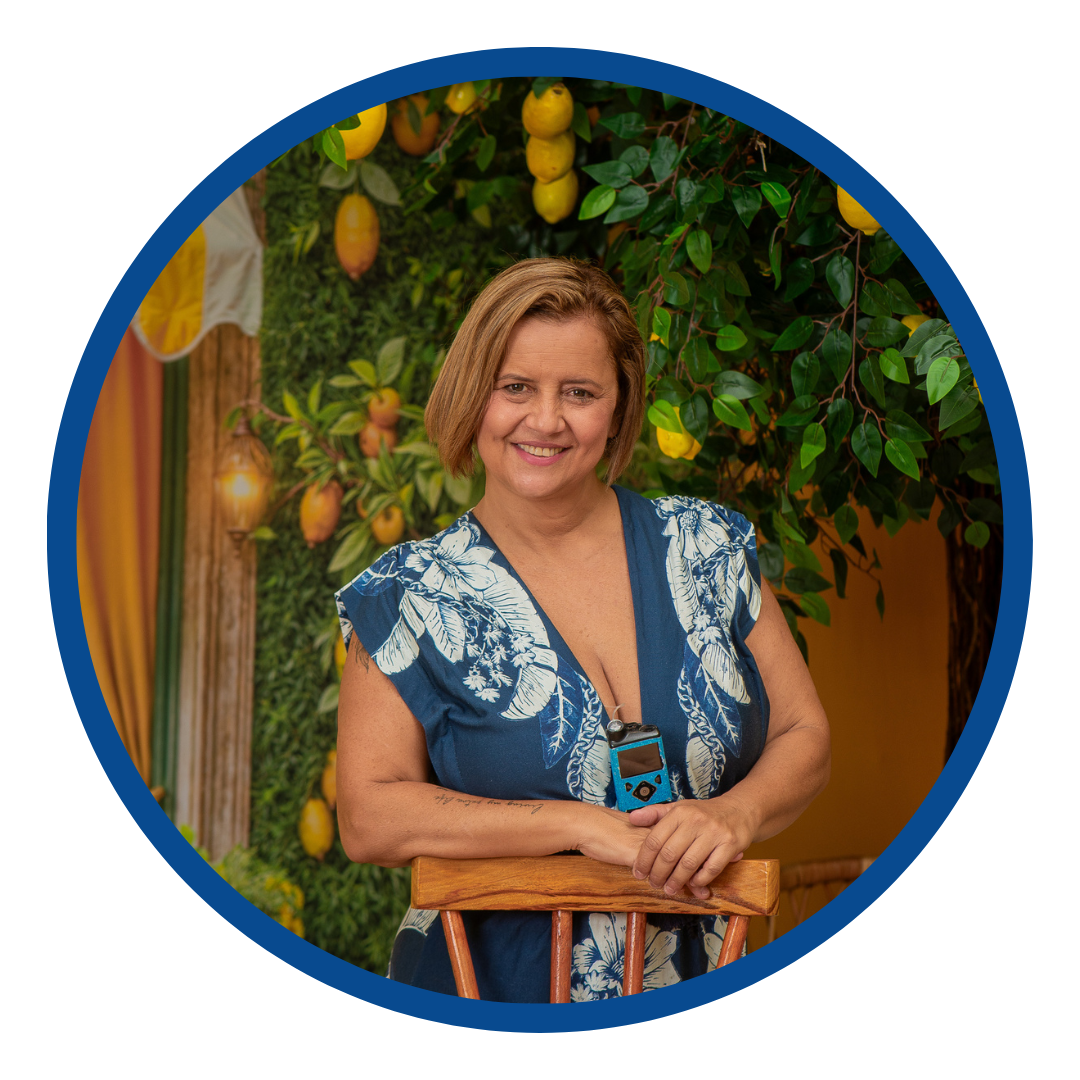
Technology, peer support and recognition: a crazy journey through ATTD 2025
My Journey
Life with diabetes is not easy. From the moment of diagnosis, the world changes, we change, and the course of our story changes. Whether we like it or not, we need to learn and practice diabetes care. When I was just about to celebrate my 15th birthday… I was unable to travel to Disney World with friends and family because of diabetes. It was the beginning of a journey that continues to this day. I had many fears. I believed that I would not be able to fulfill my dream of being a mother. I didn’t know if I would be able to become a journalist, get a job or even continue living. I needed to understand the disease, how to treat it, and cross the portal of misinformation, fear, and anguish of those who have to face an incurable condition.
Almost 40 years later, I am here to tell you that life has been created for me beautiful, full, and with countless unforgettable moments. The shadow of an incurable disease affects many of those around us. People meet us and feel sorry for us or pour out their myths and fears about a condition they do not know. We need to endure this social estrangement for a long time and move forward, believing in ourselves. Imagine these obstacles for someone who receives the diagnosis as a young child? It is, in fact, a long journey of acceptance, learning, falls, and resilience.
Disparate realities
I’m from Brazil, a developing country where access to modern diabetes treatments often lags behind global advances. That gap motivated me to attend international diabetes congresses so I can learn the latest research and technologies, stay one step ahead, and bring back home insights that can surely improve life with diabetes for people in my country.
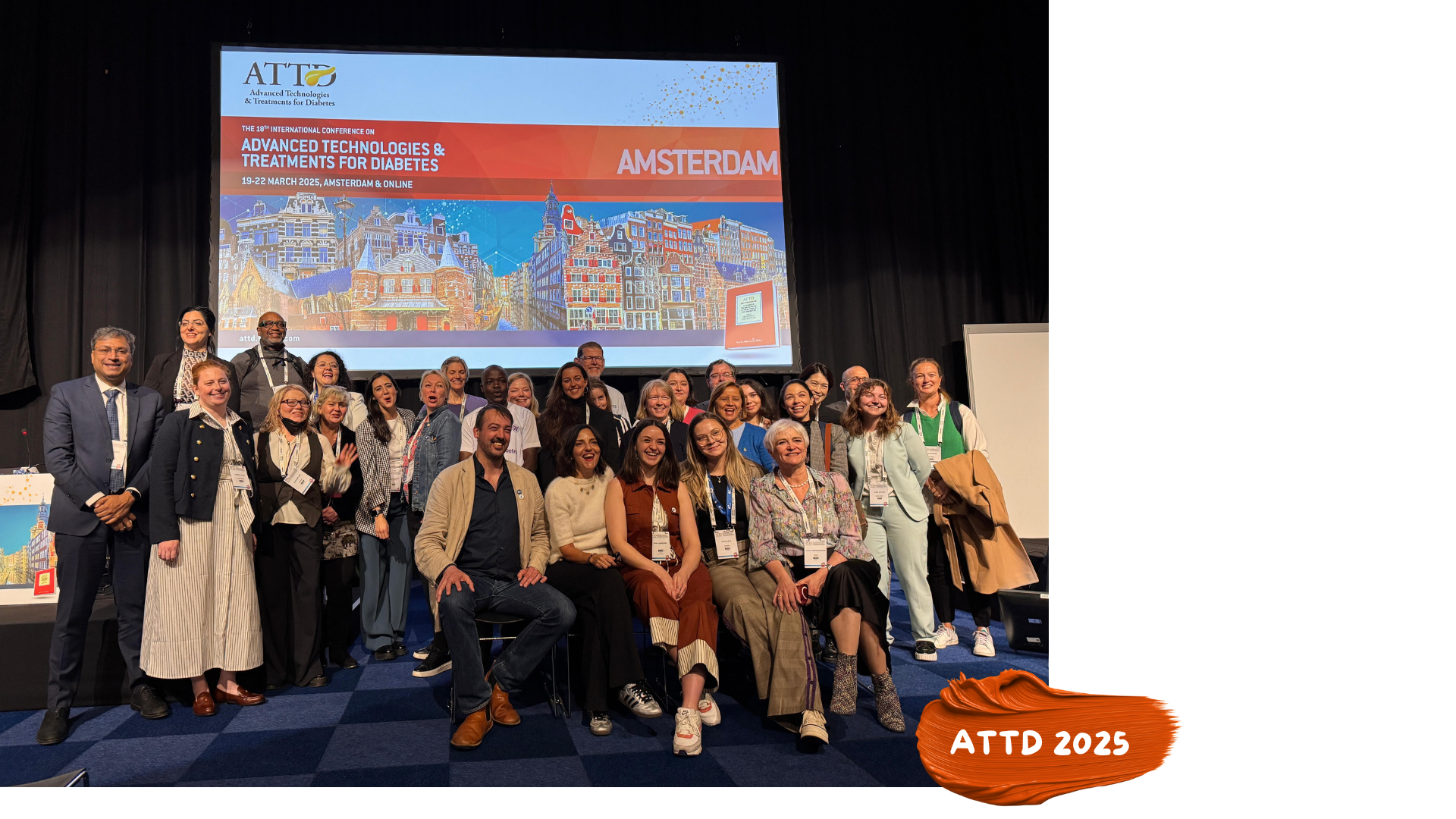
Being awarded the #dedocº scholarship for ATTD 2025 made me genuinely excited. As a journalist, being at a congress that sets the tone for diabetes innovation felt like a milestone. As I listened to sessions and walked through product demos, a hard truth set in: many of the advances celebrated there will take a long time to reach Brazil (and some of them won’t even get here). I questioned the value of reporting on devices that are already being used around the world but still not available in my country. That realization hurt, and I felt my country was being left behind.
I decided to turn that frustration into action and started mapping what could lower barriers at home. I started to consider advocating for public policies that reduce the taxes that make medical supplies so expensive, and to plan a report piece on why these new innovative technologies take so long to arrive. I also looked for clinical research that quantifies the gap and its consequences for care. My goal is to keep Brazil visible on the global diabetes innovation map and to push for change that is both practical and hopeful. I believe medical technology companies should treat access as a core responsibility regarding developing countries, and I intend to keep that conversation alive.
The people and the experience
This was my first time attending a #dedocº event, and meeting other people living with diabetes from different parts of the world was an incredible experience. Each person following their treatment with pens or pumps, with or without sensors, analysing meals in the same way, that is, counting carbohydrates, facing hypos and hypers together…
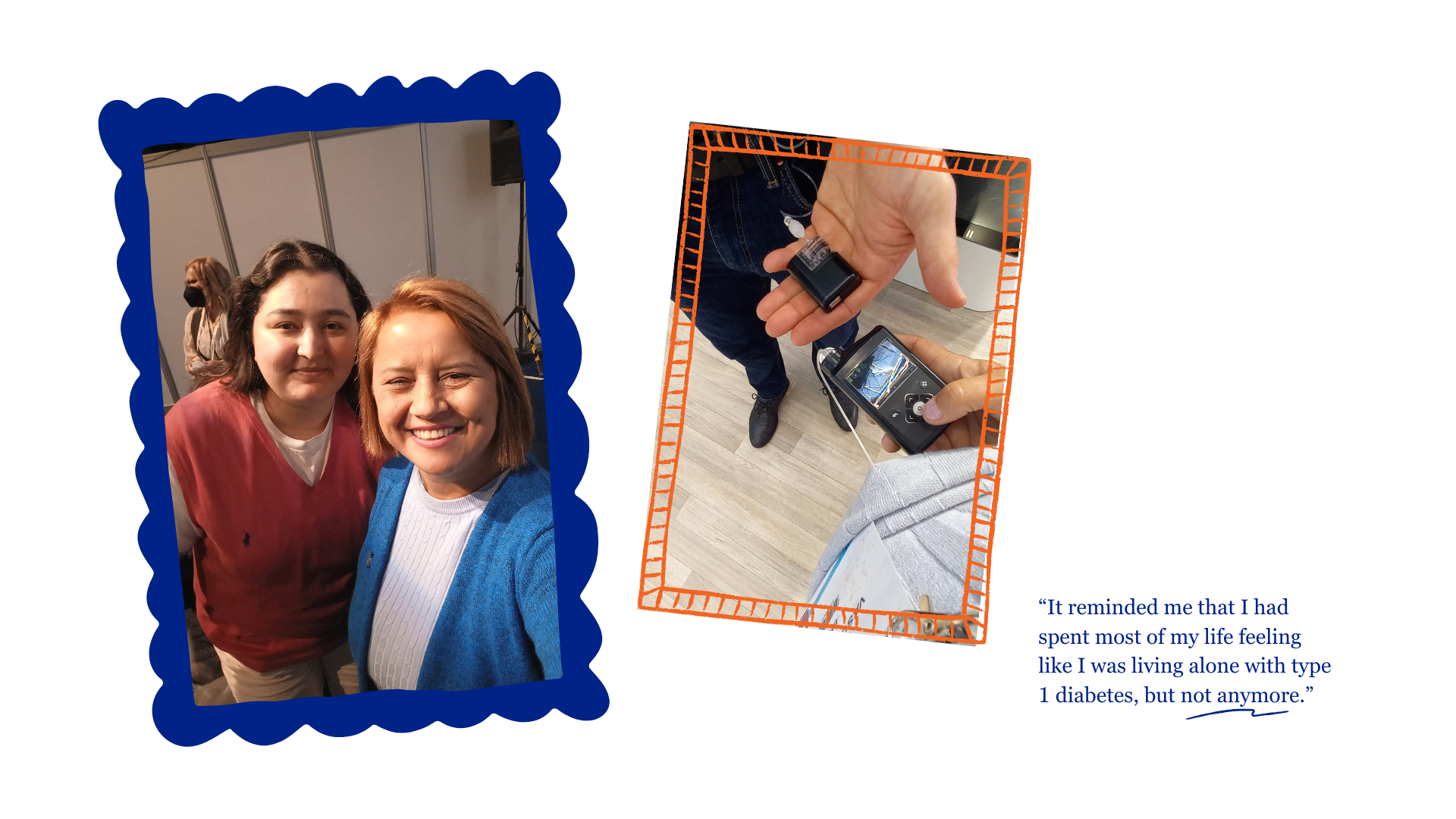
I have met a few people with diabetes throughout my life. Most of them did not accept the diagnosis well and carried diabetes as a heavy burden. Fortunately, I always tried to stay focused, because I knew I needed to do that to be able to achieve my dreams. Seeing everyone together, active, and interested in my story was a moment of gratitude in my heart.
At the conference, I met people using technologies that are still not widely available in Brazil. I observed how warmly they were received by companies presenting new pumps and devices, as they represent influential markets. By contrast, Brazil is still not a priority for many new technologies. We remain light-years away from a cure or truly revolutionary devices for diabetes management. I believe we can create a coalition of patient advocates and companies to help open pathways for access in developing markets such as Brazil.
#dedocº Symposium
I chose to participate in the #dedocº Symposium and be one of the speakers because there are opportunities that are rare and I need to have the courage to present myself in front of such an audience so knowledgeable about diabetes. I confess that the more I participate in the local or global diabetes community, the more I trust that my life experience has value. The value of this community lives in the experiences of each person and in the synergy that is created when they come together.
My takeaways
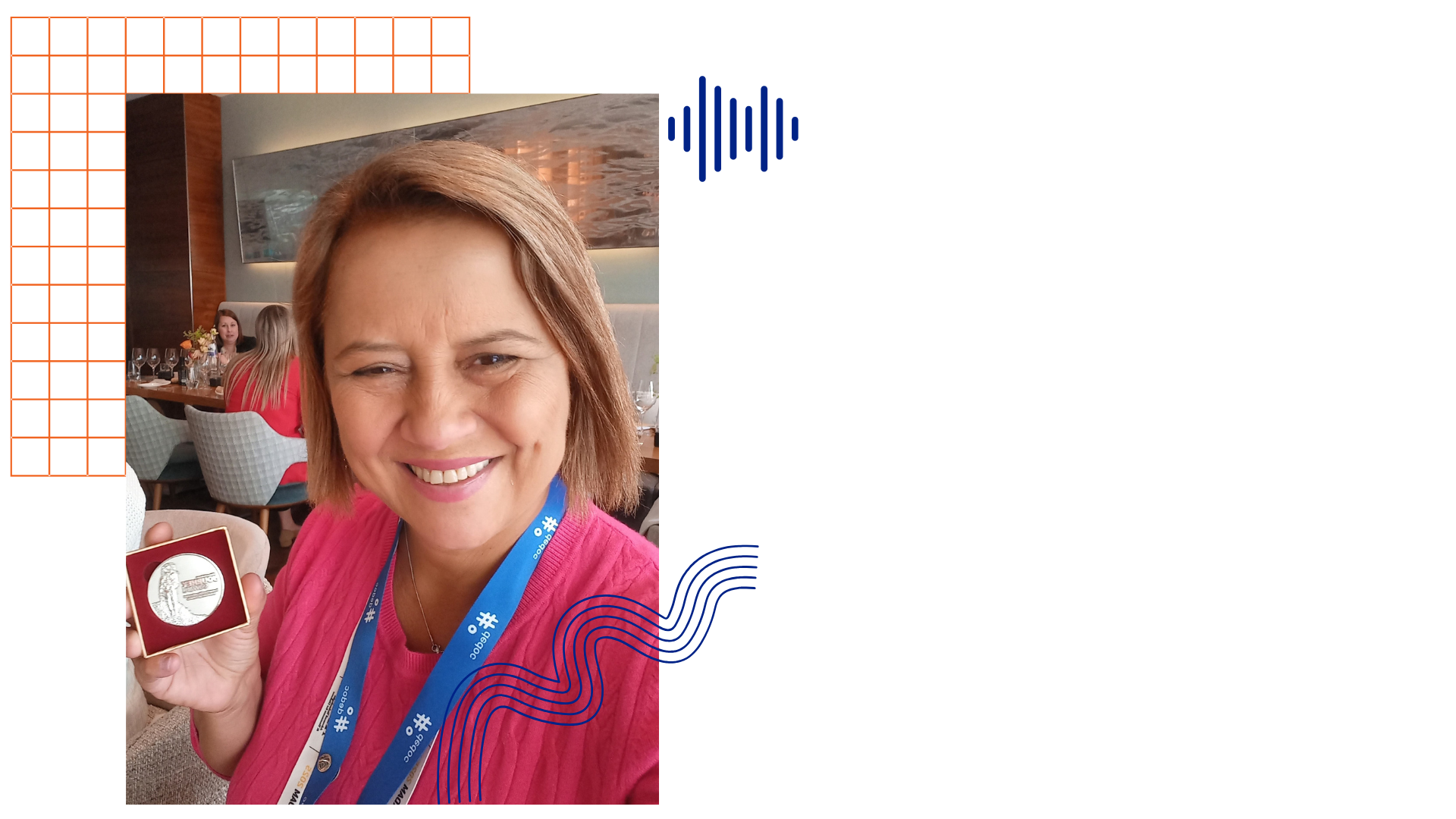
I returned from Amsterdam with many new goals: I want to collaborate in research, I want to facilitate the introduction of new developments in the treatment of diabetes in Brazil, I want to continue to spread the message that it is possible to live an extraordinary life with type 1 diabetes. And it's not just about turning lemons into lemonade but also enjoying life with incredible people from all over the world!