End Diabetes Stigma! Why a Global Summit Matters
Diabetes stigma is one of the most persistent, yet least addressed, barriers to equitable care, wellbeing, and dignity for people living with diabetes. It shows up everywhere: in healthcare settings, schools, workplaces, public policy, media narratives, and everyday conversations. It shapes not only how people with diabetes are treated, but also how they come to see themselves.
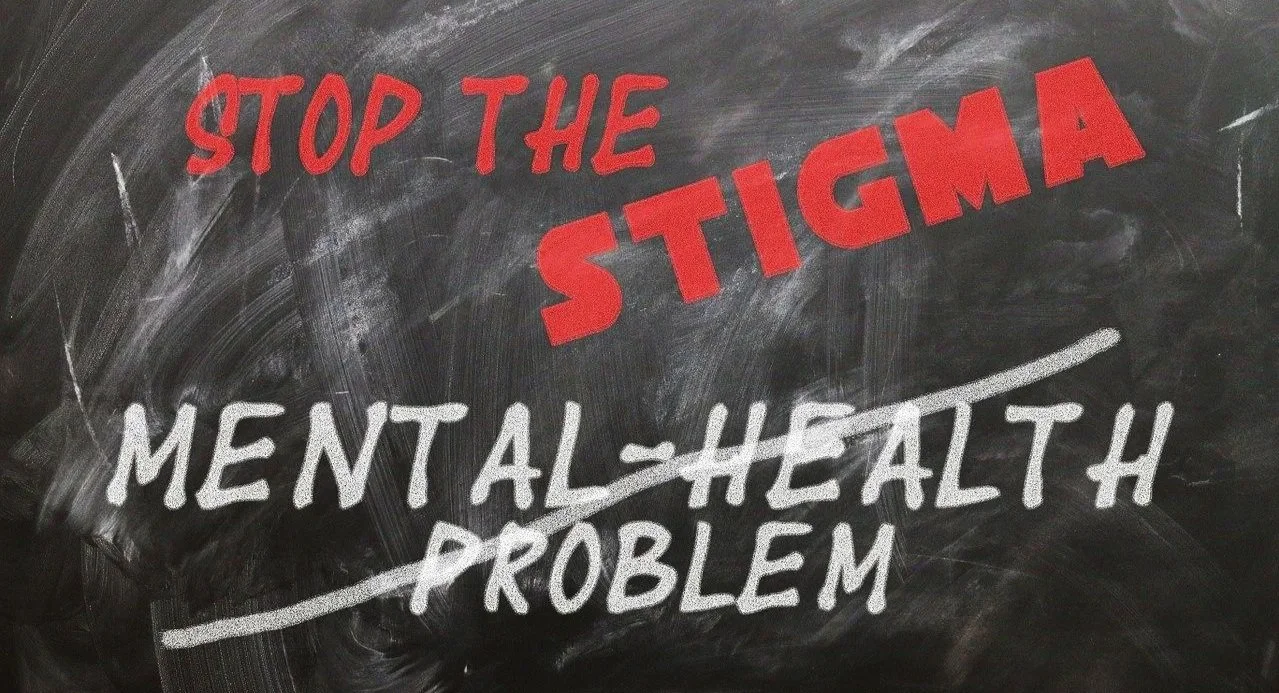
The Global Summit to End Diabetes Stigma, taking place in Jaipur, India, on March 28–29, 2026, brings together people with lived experience, healthcare professionals, researchers, advocates, policymakers, and partners from across the world with one shared goal: to move from acknowledging stigma to actively dismantling it.
This Summit is not just another conference. It is a global call to action.

Why Diabetes Stigma Demands Global Attention
Diabetes stigma is not limited to one country or region, one healthcare system, or one culture. While it may look different depending on context, its impact is universal. People living with diabetes are too often blamed for their condition, judged for their choices, excluded from opportunities, or spoken about in ways that reduce complex lived realities to simplistic narratives of “compliance” or “failure.”
Stigma affects mental health, self-management, access to care, and trust in healthcare systems. It discourages people from seeking help, from disclosing their condition, or from engaging openly with clinicians and peers. It reinforces inequities for people both in low- and middle-income countries (LMICs) as well as in high-income ones (HICs).
Ending diabetes stigma is not a “soft” issue. It is a clinical, social, ethical, and human rights imperative.
The Role of Advocates: Lived Experience as Expertise
At the heart of the Global Summit to End Diabetes Stigma is a fundamental principle: people living with diabetes are experts in their own lives.
People with lived experience bring far more than personal stories. They bring insight into how policies translate into real life, how language shapes behavior, and how systems succeed or fail on the ground. Their lived experience provides context, nuance and meaning that data alone cannot.
For far too long, discussions about stigma have happened about people with diabetes rather than with them. This Summit deliberately shifts that dynamic. Advocates are not token participants: they are contributors, co-creators, and leaders.
Through panels, workshops, and collaborative sessions, advocates will help shape shared definitions of stigma, identify priorities for action, and co-develop solutions that are realistic, culturally sensitive, and sustainable. Their presence ensures that outcomes are grounded in reality and not in assumptions.
The Essential Role of Healthcare Professionals and Researchers
Ending diabetes stigma also requires meaningful engagement from healthcare professionals (HCPs), researchers, and educators.
Clinical environments can unintentionally reinforce stigma through language, assumptions, and power dynamics. Even well-intentioned practices can cause harm if they fail to recognize the emotional and social dimensions of living with diabetes.
At the Summit, HCPs and researchers will engage directly with advocates to reflect on current practices, challenge entrenched norms, and explore how care models, education, and research frameworks can be redesigned to be more person-centered and stigma-aware.
This is not about assigning blame. It is about shared responsibility.
When professionals and people with lived experience learn with and from one another, trust is built, and meaningful change becomes possible.
Cross-Sector Collaboration
Diabetes stigma is not created or sustained by healthcare alone. Media narratives, workplace policies, educational systems, and public discourse all play a role.
That is why the Global Summit brings together a diverse group of actors, from civil society organizations and academic institutions to professional associations and global health stakeholders, to move beyond isolated efforts and work toward coordinated, systemic change.
By creating space for diverse perspectives to meet, the Summit fosters alignment, shared commitments, and long-term collaboration. Ending stigma requires consistency across sectors, and this kind of collective effort is essential to achieving lasting impact.

The Role of #dedoc°: Creating Space for Lived Experience to Lead
At #dedoc°, lived experience is not an add-on: it is the foundation.
We believe in lived experience as an essential form of expertise. Our work focuses on supporting meaningful involvement of people living with diabetes across research, education, policy, and advocacy by building capacity, fostering dialogue, and supporting sustainable engagement.
For the Global Summit to End Diabetes Stigma, #dedoc° makes available 100 travel grants to support advocates who might otherwise be unable to attend, particularly those from LMICs.
These grants are about more than logistics. They are about equity, inclusion, and fairness.
If we want global solutions, we need global participation.
From Conversation to Action
One of the defining goals of the Summit is to move beyond discussion and toward action. Participants will work together to identify practical next steps, shared principles, and opportunities for ongoing collaboration.
The outcomes of the Summit will inform future advocacy efforts, research agendas, professional education, and policy discussions. And they will help strengthen a global community committed to challenging stigma wherever it appears.
Ending diabetes stigma will not happen overnight. But moments like ese, when diverse stakeholders come together with honesty, humility, and shared purpose, are how change begins.

Join the Movement
The Global Summit to End Diabetes Stigma is an invitation: to listen, to reflect, to collaborate, and to act.
Whether you are a person living with diabetes, an advocate, a healthcare professional, a researcher, or part of a wider organization, your role matters. Stigma thrives in silence and fragmentation. It weakens when communities come together.
At #dedoc°, we believe in #NothingAboutUsWithoutUs. This Summit is a powerful step toward making this principle a global standard.
We look forward to building this future together.
Together, we can #EndDiabetesStigma.
#EndDiabetesStigma #dedocº #dedocVoices #NothingAboutUsWithoutUs #LivedExperience #DiabetesAdvocacy #PayItForward