Managing Diabetes Distress During the Holiday Season
The holiday season is marked by joy, reunions, and tables filled with delicious traditional foods that carry stories and traditions. However, for those living with type 1 diabetes, this time of year can be as challenging as it is celebratory. Between dishes rich in carbohydrates and fats, disrupted routines with irregular mealtimes and late nights, and inevitable comments from family members about food choices or blood sugar fluctuations, it’s easy to feel overwhelmed. When we factor in the impact of diabetes distress, these challenges can multiply, turning what should be a festive period into a source of tension.
Understanding the term
Diabetes Distress
Diabetes distress is a reality for many people living with type 1 diabetes. This term refers to the emotional burden that comes with the daily management of the condition, including constant blood sugar monitoring, decisions about food and medication, and fears of long-term complications. During the holidays, this burden tends to intensify. There’s an abundance of foods that can affect blood sugar levels, regular care routines are disrupted, and comments—often well-meaning but misplaced—from family and friends can add to the stress. It’s not uncommon to hear questions like, “Can you eat that?” or remarks such as, “I thought you were supposed to take better care of yourself.” This combination of factors can lead to feelings of isolation or frustration.
Despite these difficulties, it’s important to remember that there’s no perfect approach, but there are ways to navigate this time with greater ease and balance. With a bit of planning, self-compassion, and practical strategies, it’s entirely possible to enjoy the holidays without letting diabetes or its associated stress dominate the experience.
The challenges people with diabetes face
during this season
One of the most challenging aspects of the holidays is dealing with meals, which are often filled with high-carb foods and tempting desserts. Many people with type 1 diabetes feel like they have to give up everything they like to keep their blood sugar under control, but this doesn’t have to be the case.
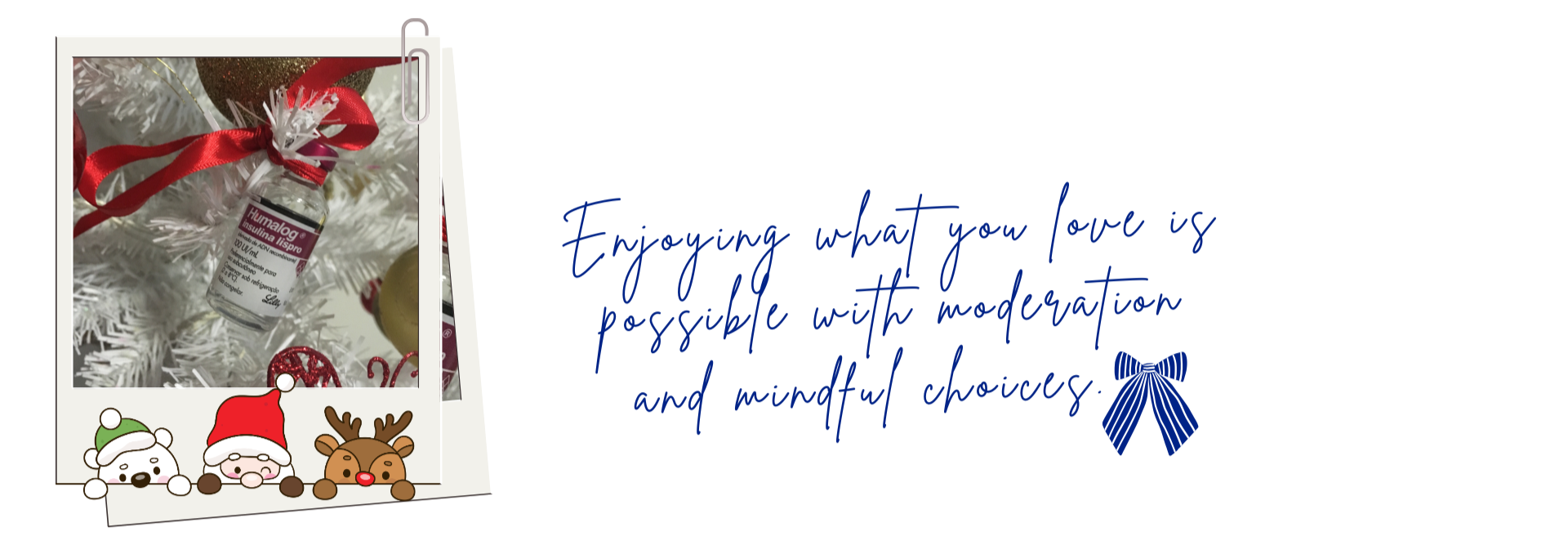
Perfection Is Out of Style
Managing blood sugar during the holidays shouldn’t become an obsession. While monitoring levels more frequently is normal, don’t let the numbers define your experience or mood. Fluctuations in blood sugar are natural, especially during a time filled with different activities and foods. What matters is viewing these variations as data to guide adjustments, not as failures.
Another key aspect is emotional health. The end of the year doesn’t just bring physical challenges—it can also heighten feelings of anxiety, frustration, and even guilt. Allowing yourself to acknowledge these emotions is an important step. Feeling frustrated or anxious doesn’t mean you’re failing—it means you’re human. Managing diabetes is already complex on regular days, and it’s natural for that complexity to increase during a more dynamic period. In this context, practicing self-compassion is essential. Forgive yourself for moments when your blood sugar isn’t as expected and celebrate small successes, like staying hydrated or taking a walk after a meal.
It's OK to set boundaries with family and friends
Dealing with family comments is also an important part of maintaining emotional well-being during the holidays. Often, people around you don’t fully understand what it means to live with diabetes, which can lead to unnecessary or even intrusive remarks. When this happens, responding in a polite but assertive manner can help. For example, explaining that you are aware of how to manage your condition can close the topic. A bit of humor can also ease tension, such as saying, “Yes, I’ve got this—I’m the expert!”

Moreover, setting aside moments for yourself during the celebrations can be transformative. A brief break to get fresh air, meditate, or simply disconnect can help reduce feelings of overwhelm. Engaging in activities that relieve stress, such as stretching, journaling, or walking, can make a significant difference. Getting adequate sleep is equally important since restless nights can increase stress and disrupt blood sugar levels.
Change your mindset: focus on progress
The holidays are also an opportunity to shift your mindset about managing diabetes. Instead of aiming for perfection, focus on progress. A high blood sugar reading on a day of celebration doesn’t erase all the effort you’ve put in throughout the year. The most important thing to remember is that perfect control is impossible—and that’s okay. Focus on what you can control, like making mindful food choices, staying hydrated, and finding ways to cope with stress.
If at any point the weight of diabetes distress feels too heavy, remember that you are not alone. There is a community of people who share similar challenges, and seeking support can be incredibly comforting. Talking to friends or joining online groups can provide a space to exchange experiences. If emotional stress becomes overwhelming, don’t hesitate to seek help from a mental health professional, such as a psychologist specializing in chronic illnesses.
Remember to enjoy
Ultimately, the holiday season should be a time of celebration, not self-criticism. Allow yourself to enjoy the people around you, the joyful moments, and even the dishes you love without guilt.
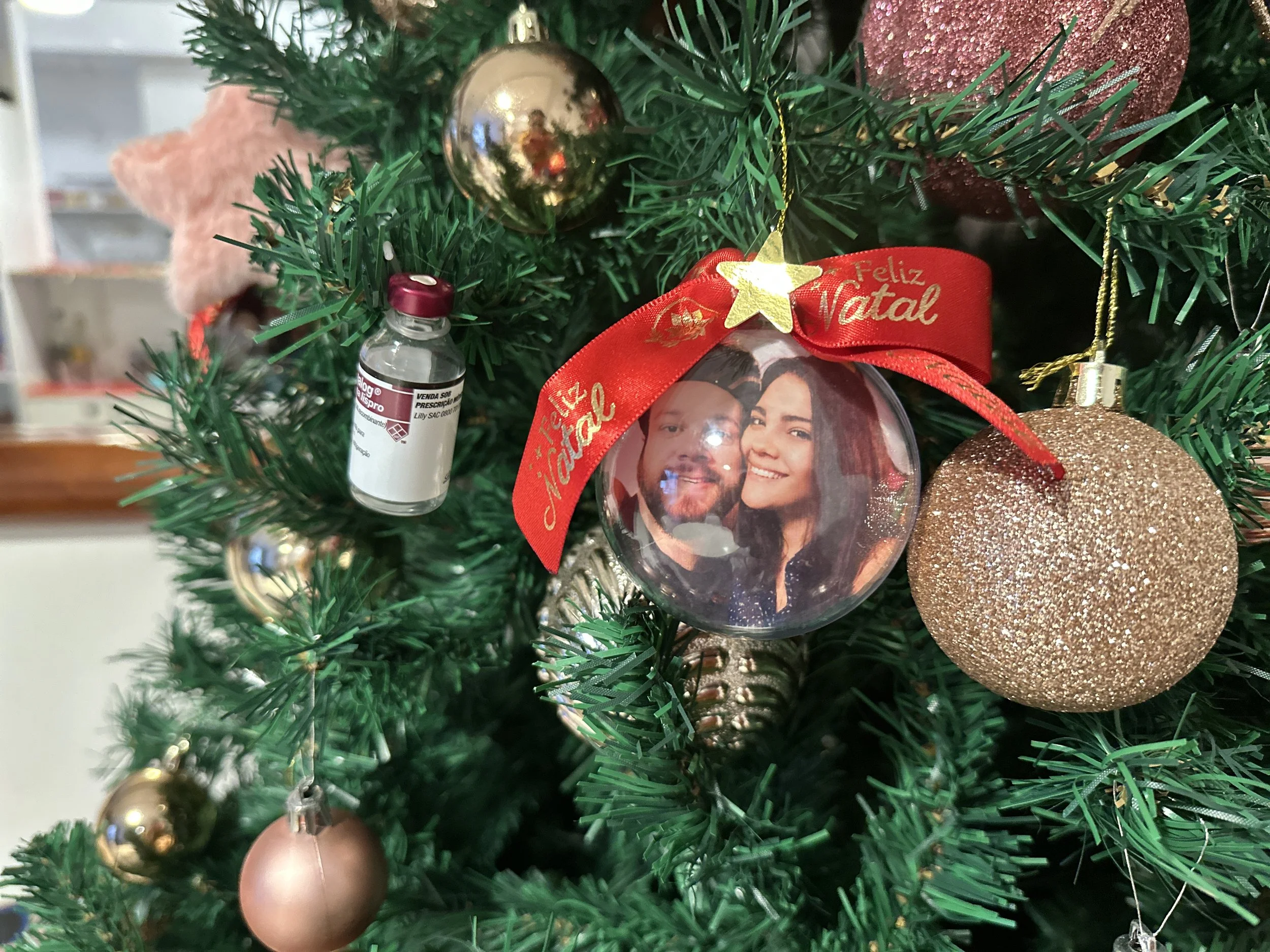
Diabetes doesn’t define who you are, and small variations or indulgences don’t undo your progress. Take a deep breath, embrace the joys of the moment, and remember: you’re doing your best, and that’s already amazing.