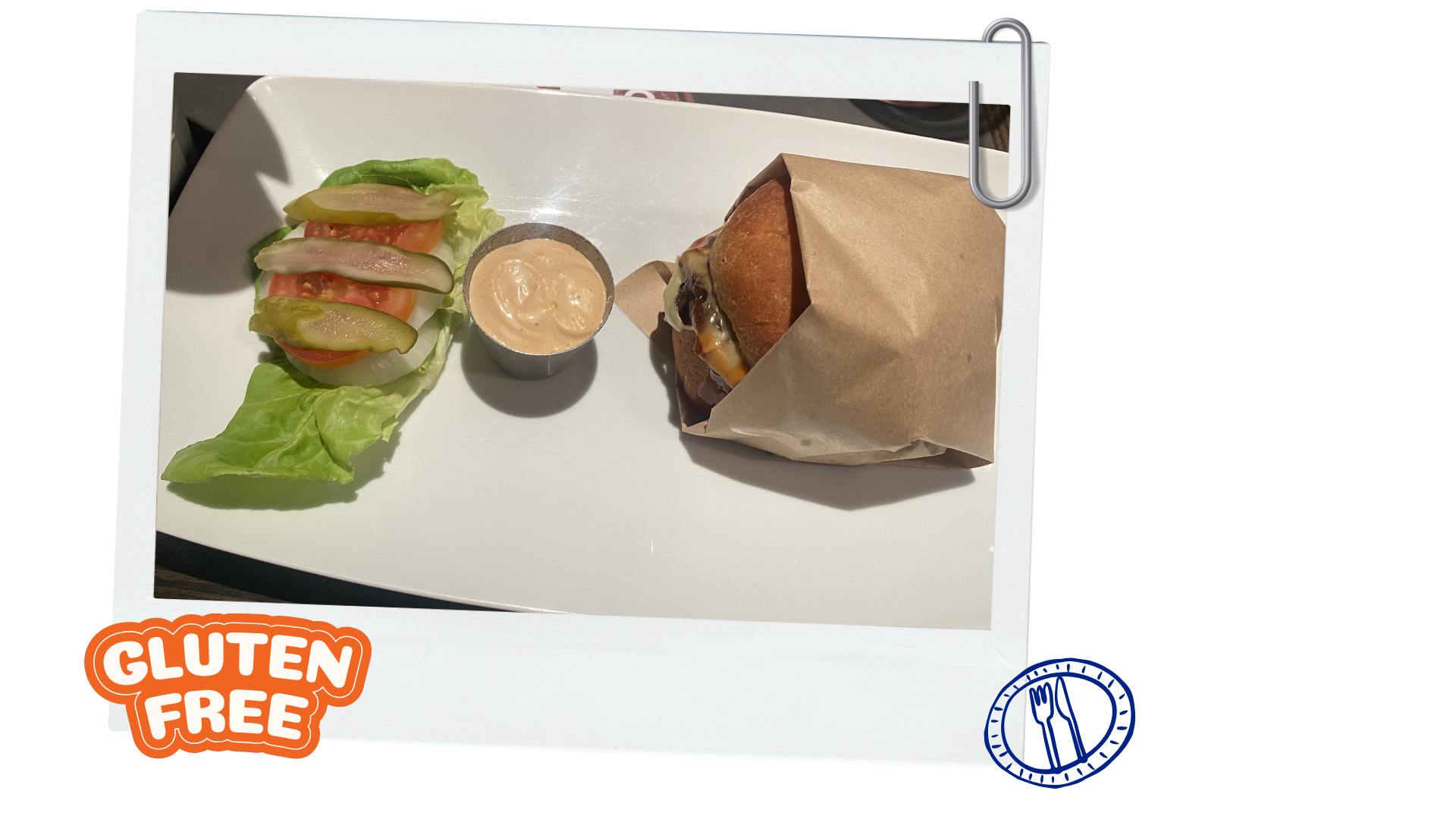
Diabetes and Coeliac Disease: Tips for travelling while eating gluten free
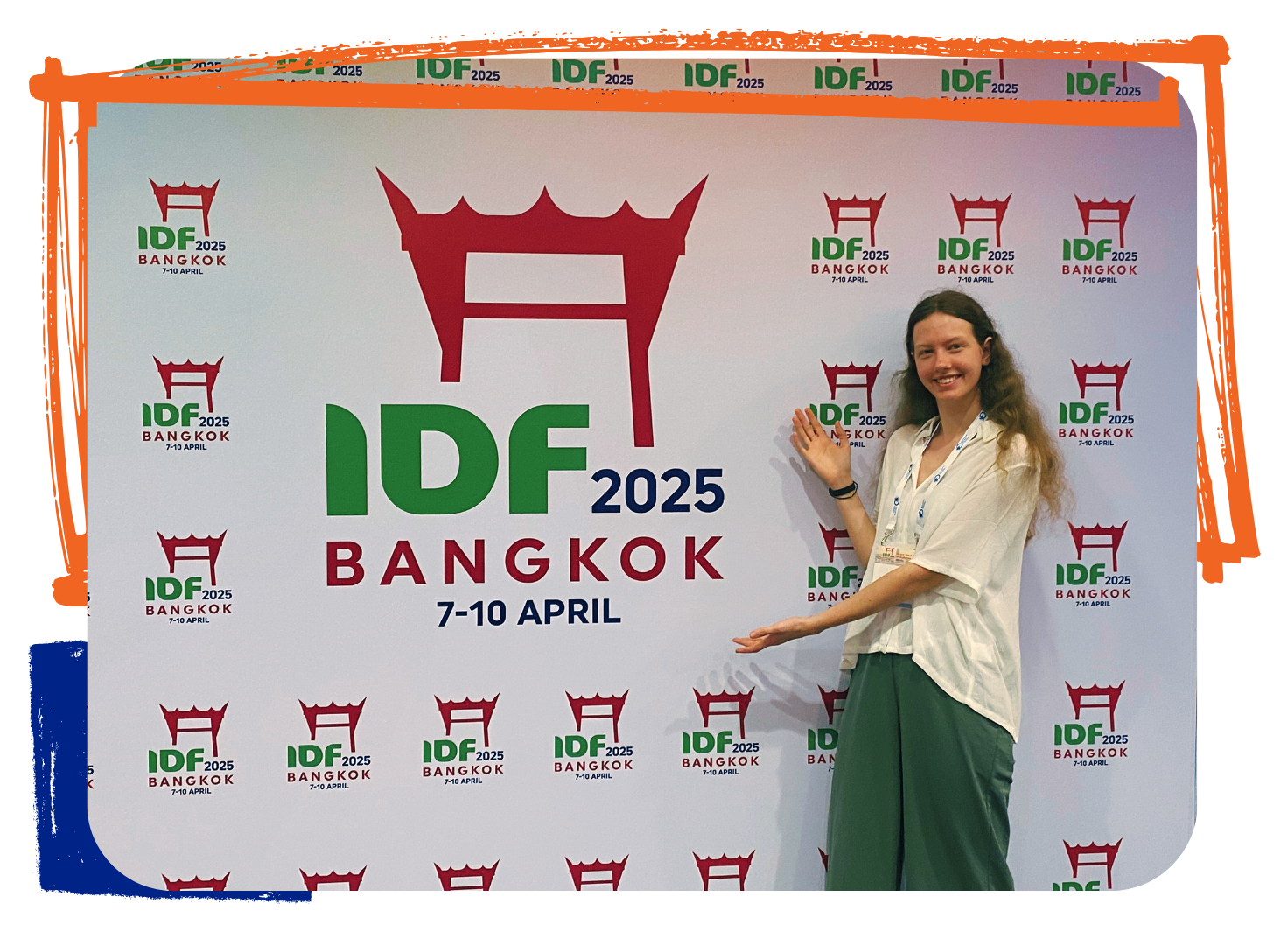
Living with diabetes and coeliac disease can be a tricky combination to navigate when travelling. In April I was lucky enough to receive a #dedoc° scholarship to attend the 75th International Diabetes Federation Congress in Bangkok, Thailand. As my first time being a #dedoc° voice I was really excited to be given an opportunity to learn about diabetes practice and initiatives around the world and to connect with the global diabetes community. However, this trip was also my first time travelling to Thailand and I was nervous about how easy it would be to find gluten free meals.
My learnings
I want to share some things I found useful to know so that you can prepare for any travel you may have while managing diabetes and coeliac disease. It definitely takes a bit more planning and research, but it is possible to eat safely and gluten free while also enjoying the traditional dishes of a country!
Before travelling:
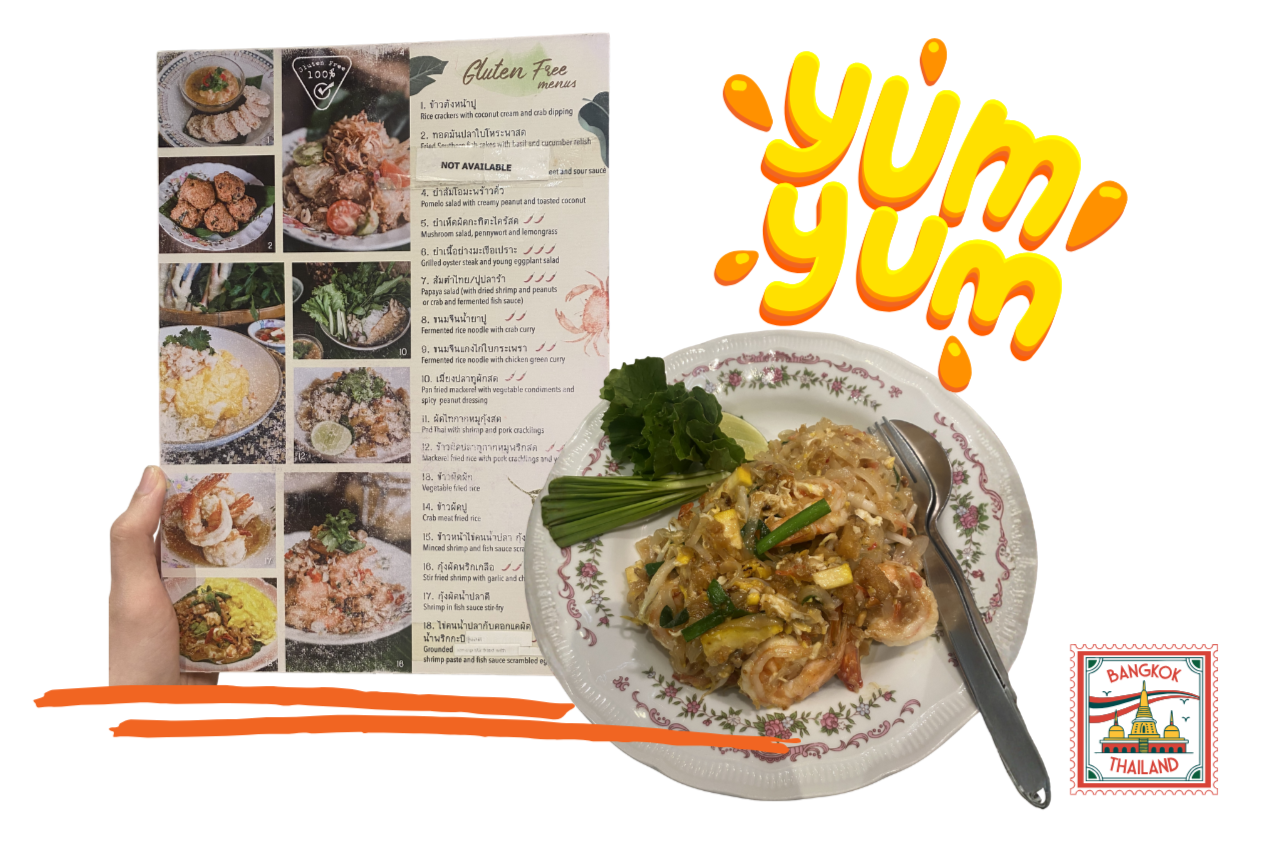
Research - Spending some time finding out what the traditional dishes are, what the commonly used ingredients are and what foods are naturally gluten free will be really beneficial for finding food while you’re away. I found this especially useful as the food in Thailand is so different to the food I usually eat. There are lots of gluten free writers online who have produced guides to certain countries or there are Facebook groups for most countries that you can join for up-to-date advice and recommendations!
Translation card - Arguably the most important tip is to carry a card that has a short description of what coeliac disease is, what foods you can/cannot eat and a note on cross-contamination in the language of the country that you’re visiting. Carrying this with you at all times allows you to effectively communicate with restaurants/shops where there may be a language barrier. Despite this, it should always remain your choice to eat anywhere. If you’re unsure or don’t feel comfortable then avoid!
Dietetics associations - While attending the IDF Congress, Gráinne, a member of team #dedoc°, had the amazing idea of talking to the Thai Dietetic Association at their booth about eating gluten free in Thailand. I’d struggled to find places to eat for the first couple of days, but they gave me 5-6 recommendations in the local area that I was then able to eat at. While not everyone may be able to ask in-person, most countries have a dietetic association with information online that is very specific to the food of that country, so it is definitely worth a look before travelling!
Food in suitcase - I always laugh that when I travel abroad half of my suitcase is gluten free food, but it’s true that it usually is! Packing some gluten free essentials can be really reassuring for you to know that if finding food is difficult, you have some snacks to keep you going. When going to Thailand I brought some packs of crackers and biscuits that were easy to quickly pop in my bag while exploring, and I brought porridge and rice pots that only needed hot water added. I also packed some gluten-free soy sauce because it is such a staple of Thai food! Without these I would have really struggled. But remember to double check with the health/customs authorities of your destination country for what you’re allowed to bring in your luggage!
During the trip:
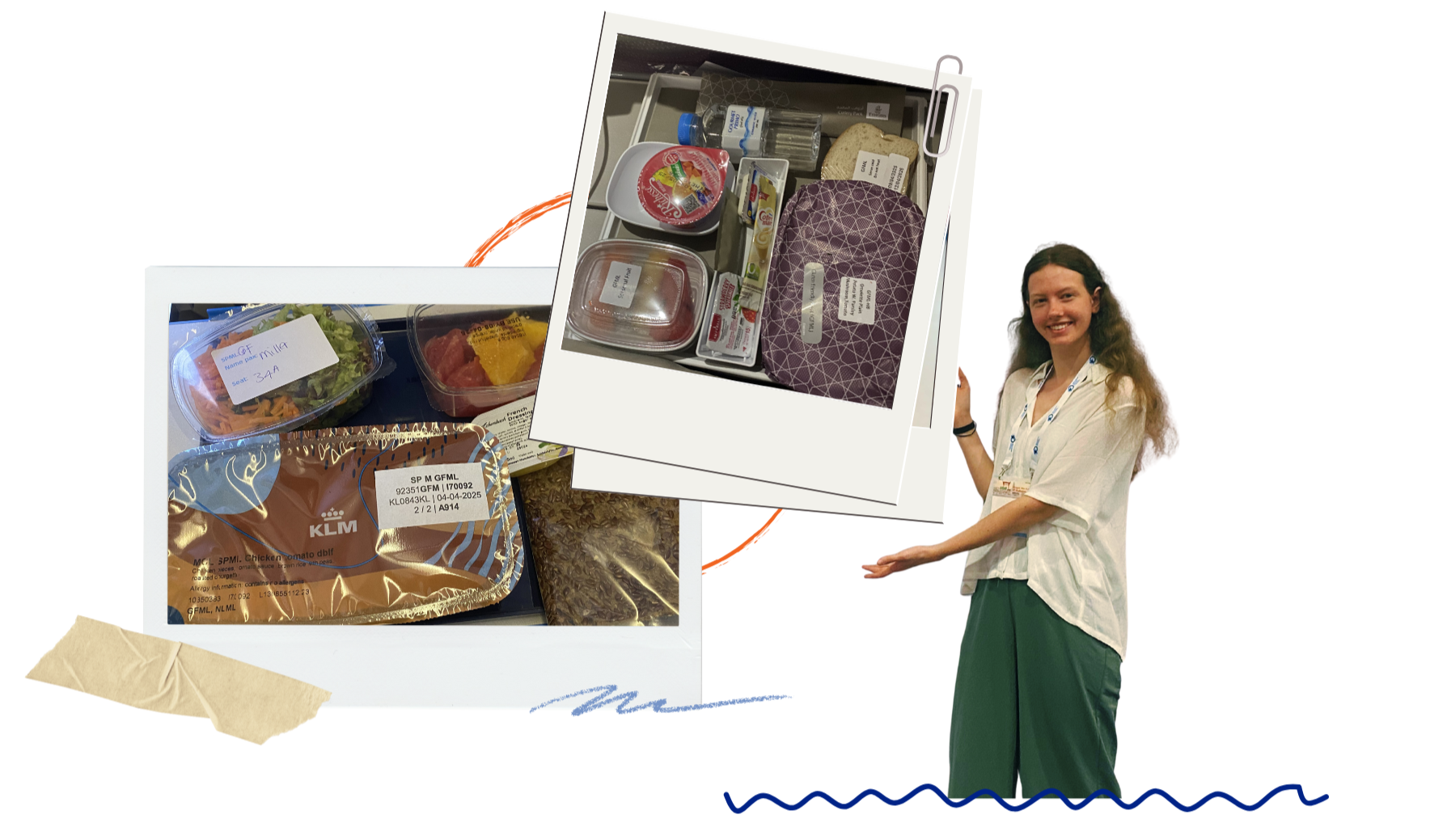
Meals on flights - Prior to this trip to Thailand I wasn’t aware that airlines offered a gluten free meal choice, and when I did find out I was worried about cross-contamination. It was surprisingly easy to request a gluten free meal via the airline website, and the flight attendants always brought my food out first which was reassuring!
Hotels - Choosing a self-catered option is usually best for ensuring that all your food is definitely gluten free, but feeling safe eating gluten free is also possible when staying in a hotel! Asking the hotel staff for a gluten free breakfast/lunch is useful and they are usually able to accommodate this. Once again, the translation card can be used here if there is a language barrier. In Thailand, the hotel chef kindly made me an omelet each morning, which I felt very happy eating as it was completely separate from any of the buffet-style food!
Contingency plans:
If you’ve been glutened - The most important thing to remember is that you know your body best. If you believe you’ve eaten something with gluten, then allow your body to recover and rest if you need. If you’re in a hot country, then ensure to keep fluids high and note where the nearest pharmacy is if you need any extra medication. It is so frustrating to be unwell while away, but having a quieter day may help you recover faster! Remember to think about what you might have eaten and avoid any food that you’re unsure about.
Trust your instincts - We can do everything we can to prevent being glutened, but ultimately, we are trusting someone else when eating out. If you’re ever unsure about a specific food or you’re not convinced that the chef/restaurant understands completely, then you’re allowed to choose to eat elsewhere!
Difficult... but not impossible!
Travelling with coeliac disease can be really difficult, especially when living with diabetes because food is so important, and also no one wants to be ill while away or on holiday!
I was really nervous about finding gluten free food before going on this trip, but with a bit of research and preparation it was possible for me to enjoy gluten free meals and experience some Thai culture!
I hope that these tips can help the next person travelling abroad to feel safer trying the local food but remember it is always your choice to eat anywhere, and I’d love to know if anyone else has any tips for travelling with coeliac disease!