A new #dedocº voice through the ‘Loved Experience’
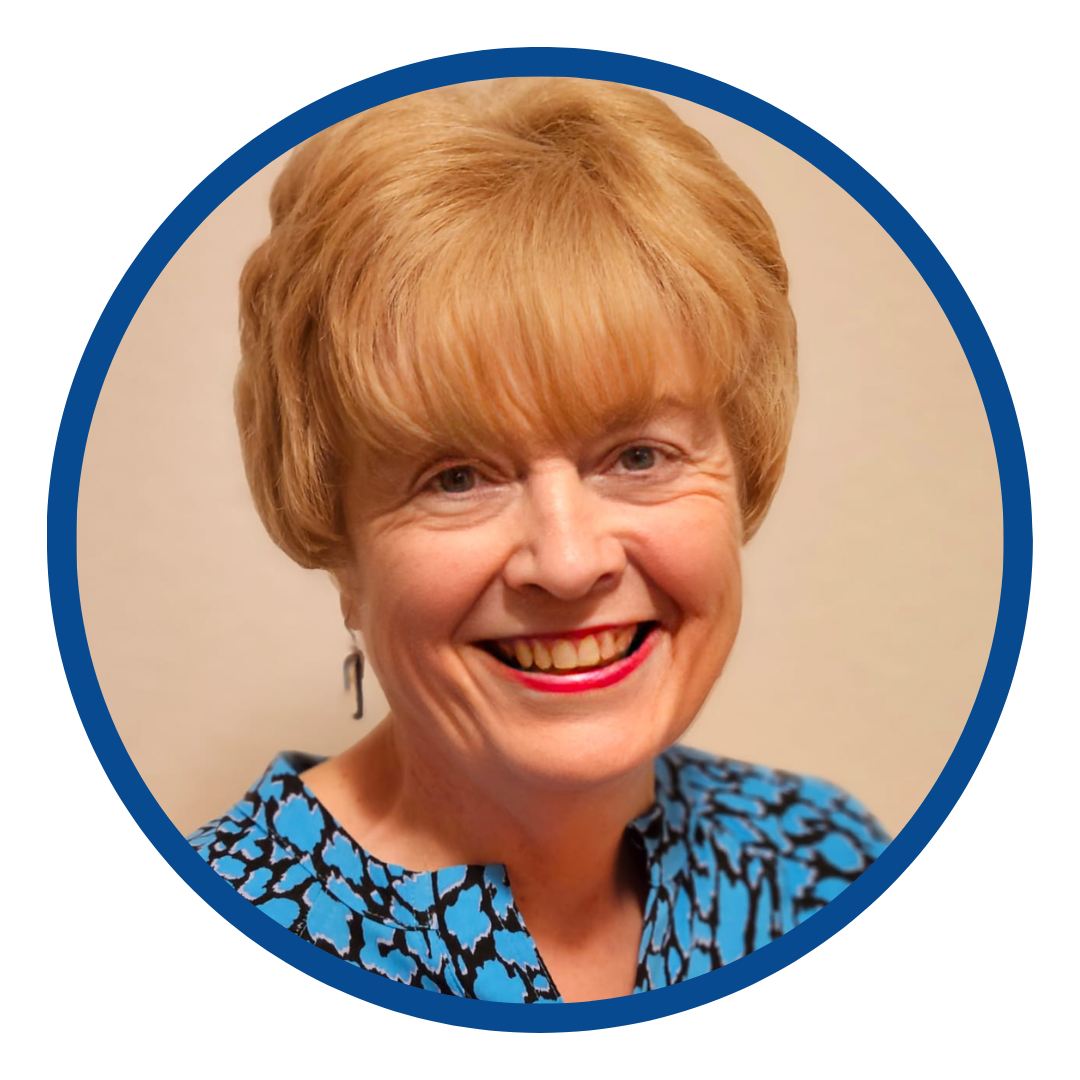
I arrived at the Diabetes UK Professional Conference 2025 (Glasgow) as the carer for my husband Iain, a #dedocº voice for the first time. I left after 3 days feeling very much part of the #dedocº voices community and as someone representing the ‘loved experience’ rather than the ‘lived experience’ – that in itself was an emotional moment.
It is so important for the ‘lived experience’ voice to be heard at these conferences but I now recognise also the importance of the ‘loved experience’ – the person with Type 1 Diabetes brings the reality of everyday and can input meaningfully into what really makes the difference. The ‘loved experience’ brings the wider dimension of the challenges for all the family and how to support through the good days and the frustrating days.
The value of access to a professional conference
To have access to sessions on a wide range of research, updates on the latest technology and to meet new friends in the diabetes community was brilliant, in all its facets. I am in awe of those whose research will and does make a difference to policy and to lived experience, as I am of the clinicians and consultants who bring the practical support to individuals and ensure policy becomes a reality to benefit lives.
Recognising the wider teams involved in diabetes care from GPs to dieticians, psychologists, podiatrists, ophthalmologists, dental hygienists and no doubt others I have missed, was a reminder of just what it takes to bring that all together and how lucky we are in the UK to have such access. It may not be perfect but when viewed through the lens of many other countries, it is far more than many around the globe have the privilege of accessing.
There is one category I have deliberately left till now to mention, the wonderful Diabetes Specialist Nurses – one of the most important resources for anyone living with Type 1 Diabetes (T1D) with their role becoming even more important with the roll-out of technology to work with and support those living with Type 1 Diabetes. It was great to meet with a number of them as we sat in sessions together and talked with those around us, though disappointing to learn that some had paid their own travel, their accommodation and in some instances had not even been given study leave to attend. Continuing Professional Development (CPD) is so important whatever walk of life one is in and certainly in areas where technology and research are advancing continually every year. I understand the constraints of budgets but hope that’s an area that can be improved going forward.
Access to Technology
One of the areas I found most interesting at the conference was a discussion on equity in action with access to technology: Professor Brian Kennon, on Scotland’s journey to universal hybrid closed loop (HCL) access, when talking about Health Inequality and Health Inequity made a great distinction: equality is currently offered but equity is not yet there with much still to be done to recognise and act on the social determinants of health and the correlation with public health. The barriers to HCL which could be personal, structural or institutional. The issue of non-recurring funding to long-term systemic change, the limited control of spending once allocated, but the importance of central support and funding to achieve real life-changing goals. He also shared the importance of peer support and staff education for T1D technology roll-out. Professor Partha Kar, Type 1 Diabetes and Technology Lead, NHS England also shared the progress of access in England. Nearly all people living with T1D now have access to Continuous Glucose Monitoring (CGM) and in the second year of Hybrid Closed Loop (HCL) roll-out, already the figures are amazing for children, with 70% of young people up to the age of 18 now on HCL. It was incredible to hear.
It absolutely shows the importance of central funding, focus and vision in the roll out of technology as well as collaboration and partnership. With that combination, amazing things can and do happen. It was also reiterated the importance of engaging with those who live with diabetes to make things happen and the importance of peer support as part of the success. None of this change happens without many people, many unsung heroes and many working as a team to collectively ensure positive change. Thank you each and every one of you.
I was also interested to learn about a new tool/platform called Hedia which is integrated with Glooko. It’s a tool that enables food to be entered once only and the calculations are then automatic every time one needs to bolus for that food, no need to carb count.
"It may in time help to reduce the burden of bolus calculations and overall brain power needed when living with T1D. Early days but one to watch progress as well as the many other initiatives in this space."
The Soundbites
The Abstract Programme gave an opportunity to hear soundbites from some of the numerous posters that were on display. Just a few of my own takeaways/revelations from some of those sessions were:
Potential and reality of diabetes misclassification
The importance of correct medical coding to access technology
The importance of probability models to assess accuracy of data being used
The importance to health of minimising the ‘lows’ (below 3.9 mmol/L or 70 mg/dL)
That time in range is less good for the age group 18-30 than for others
Thank you Gráinne, Jean, Morgan as part of Team #dedocº and all attending #dedocº voices. Thanks to all the #dedocº voices in the group, learnt so much from you all and the sharing of stories.
And a final thanks to Allan Kirkwood and all the Diabetes UK Scotland team who ensured such a warm welcome to everyone at the SEC, Glasgow from the start and throughout the conference.