Towards Better: Reflections from an International Diabetes Conference
Connection Beyond Geography
I recently had the privilege of virtually attending ISPAD’s 51st Annual Meeting as a #dedoc° voices scholarship recipient, watching sessions out of order, across time zones, from Aotearoa, New Zealand. What emerged was not a single breakthrough, but a clear and consistent direction of travel, and a reminder that connection no longer depends on geography.
Again and again, the same themes surfaced: lived experience, collaboration, and technology. Notably, the conference opened with advocacy front and centre, a powerful signal of how far the lived voice has come. #dedoc° you are deserving of your vital role at the table, and we see the energy and mahi (work) it’s taken to get there. Forever grateful. Keep going.
From Parent to Advocate
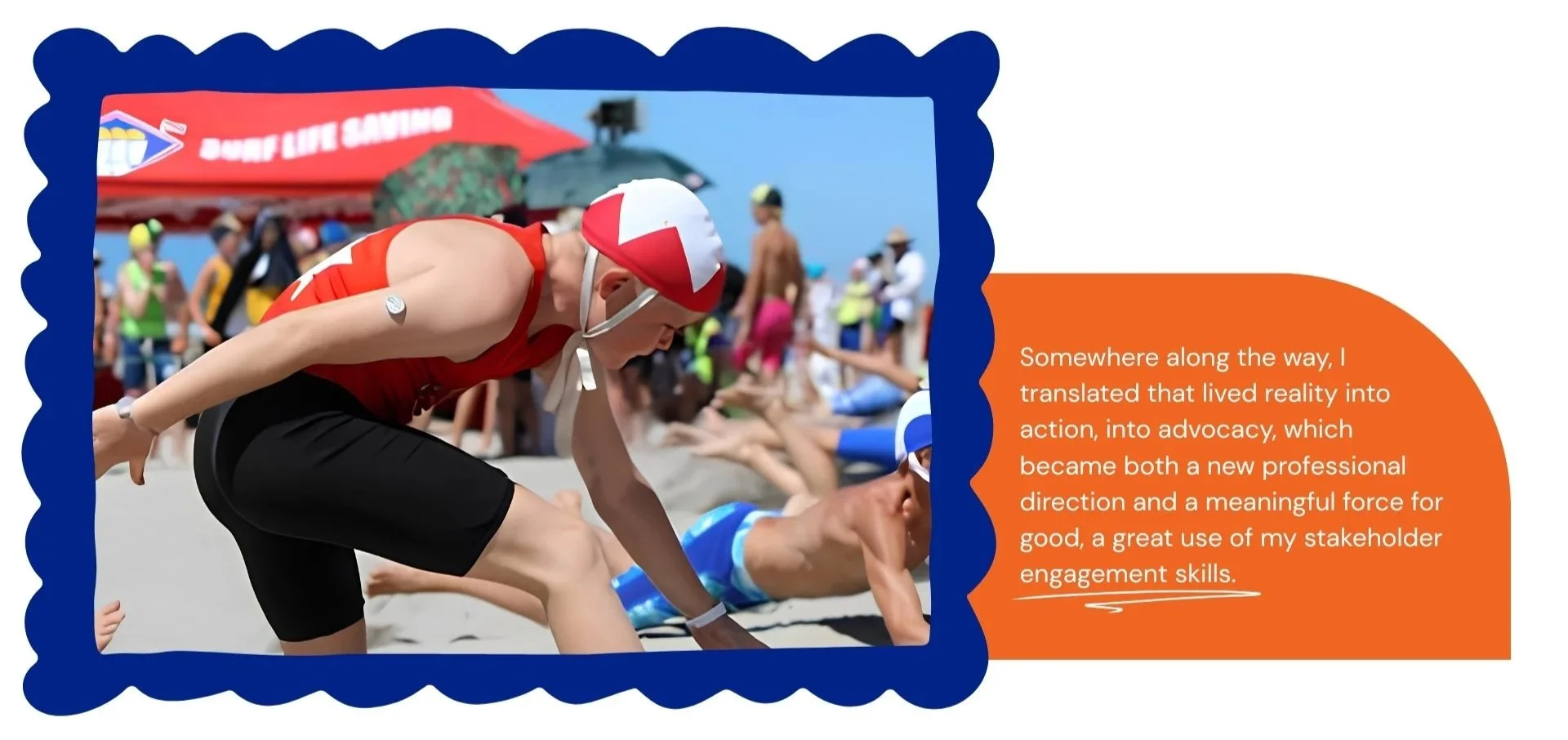
My advocacy journey began intensely. Our son was diagnosed with Type 1 diabetes at just nine months old, ten years ago now. Like many parents, my career was abruptly pulled out from under my feet as we focused on keeping our child safe, alive, and able to thrive within life, education, and sport.
Building Bridges
At the #dedoc° session at ISPAD, Linxi Mytkolli spoke about the metaphor of bridges. This resonated deeply with me and helped me realise why the bridge has long been part of my own personal identity - it is where I do my mahi - connecting ideas and people.
In New Zealand we are building strong collaboration between clinicians, researchers, advocates, communities, and people living with diabetes. These are not bridges built after decisions are made, but bridges that place lived experience front and centre, playing a role in research, clinical care, and education. I feel privileged to contribute to this work alongside The University of Waikato, the Paediatric Society of New Zealand, and the New Zealand Child and Youth Clinical Networks.
Technology, AI and the Human Context
A defining voice opening the conference was Joseph Wolfsdorf, whose reflections were grounded, shaped by reality and a lifetime of experience. His emphasis on self-efficacy - people living full, meaningful lives supported by families, friends, and clinical teams reframed empowerment as a genuine outcome.
His question hooked me immediately:
“Will AI truly understand the patient? And the context of that patient’s illness?”
AI holds enormous potential, as everyone knows, particularly in a time-poor world, facing clinical workforce shortages. But how do we use AI for good? How do we ensure it supports advocacy, safely empowers people, and strengthens the future for my son? Across the conference, technology and innovation were discussed with hope and honesty and included lived voice. I am so pleased to see it’s top of mind. Again #dedoc°, the role you play here is pivotal.
Advocacy for the Future
What struck me most was how all of this intersects with my role as both advocate and parent in a fast-moving technical world. I’ll be honest: social media and I are not a match made in heaven. I am an old school, face to face advocate but AI has my attention and the emotional intelligence needed to guide it responsibly.
Advocacy will look different for my son than it does for us, just as technology will. The question is no longer only what do I advocate for, but what will he need as he grows? How will teachers, coaches, schools, and communities be supported to walk alongside him? And what role will technology play?
Towards Better, Together
What I do know is that I am exactly where I am meant to be. I know why I am on the bridge, and exactly who stands alongside me, committed to moving towards better, together, for all our whānau (family) and the whole community.
He waka eke noa — we are stronger together.