Paying It Forward: One #dedoc° Voice Driving Change
Finding Community Through Advocacy
One of the greatest gifts #dedoc° has given me is the ongoing reminder that people with diabetes belong in all diabetes conversations. Not adjacent to them. Not invited in afterward. Truly part of them.
Thanks to #dedoc°, I was able to attend the 2024 American Diabetes Association Scientific Sessions, where I had the opportunity to learn, listen, and represent the lived experience of diabetes alongside researchers, clinicians, industry leaders and peer advocates from around the world. Being in those spaces reinforced something I continue to carry with me every day: lived experience matters, and our voices can create change far beyond the conference halls themselves.
A Small Idea That Stayed with Me
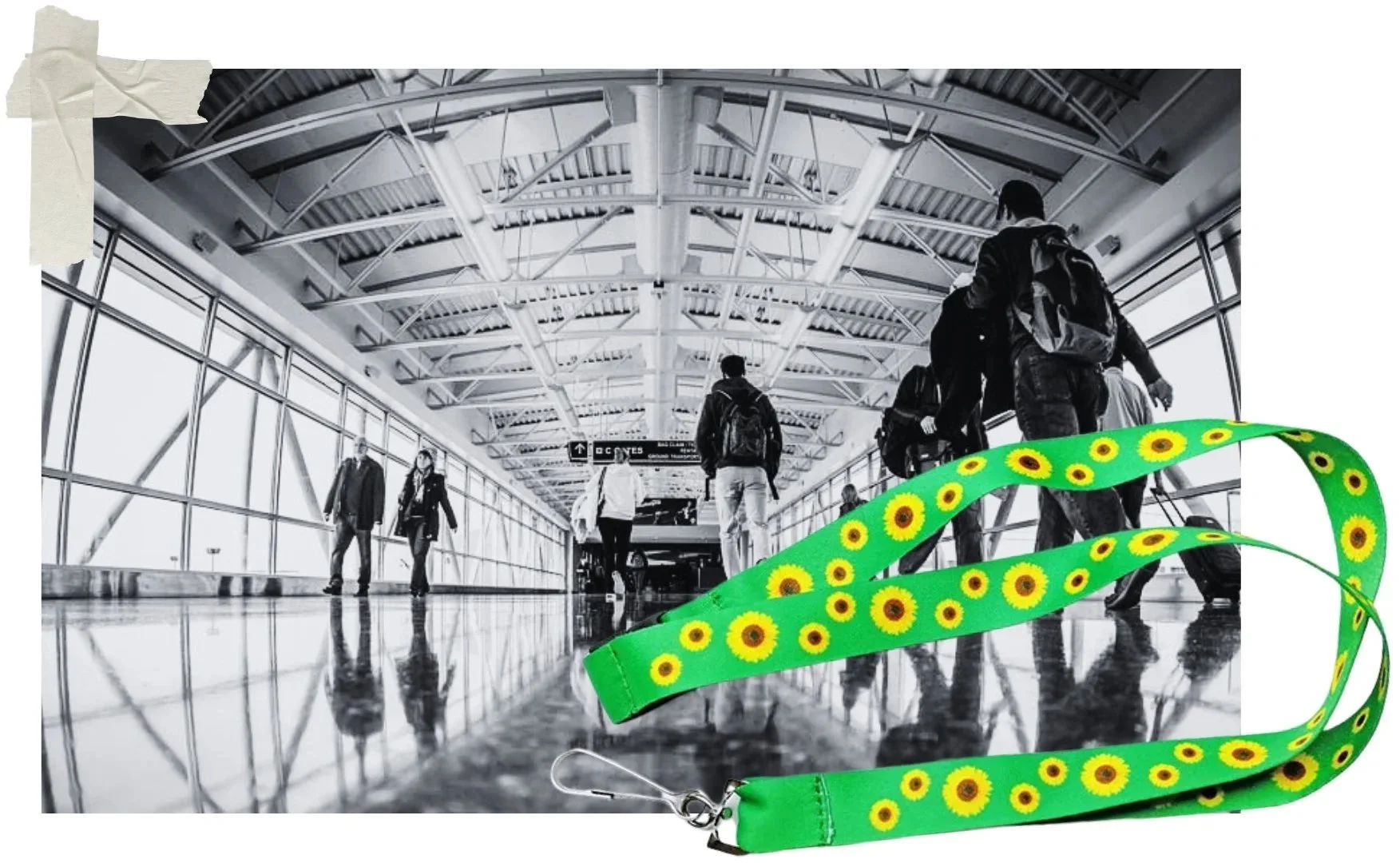
While attending ADA Scientific Sessions, I learned about the Hidden Disabilities Sunflower program, an initiative already implemented in many airports and public spaces around the world. The program allows individuals with non-visible disabilities to discreetly signal that someone may have a hidden disability and could benefit from extra time, consideration, or intentional care while navigating environments that can often feel stressful or overwhelming.
"The idea stayed with me long after the conference ended."
Diabetes is often invisible to the outside world, yet it affects countless small moments that others may never notice: navigating security lines while managing blood glucose, carrying medical devices and supplies, responding to alarms, treating lows, or simply dealing with the mental load that travels with chronic illness. The Sunflower program represented something simple but powerful: acknowledgment.
And when I returned home, I wanted to pay that knowledge forward.
Taking the First Step
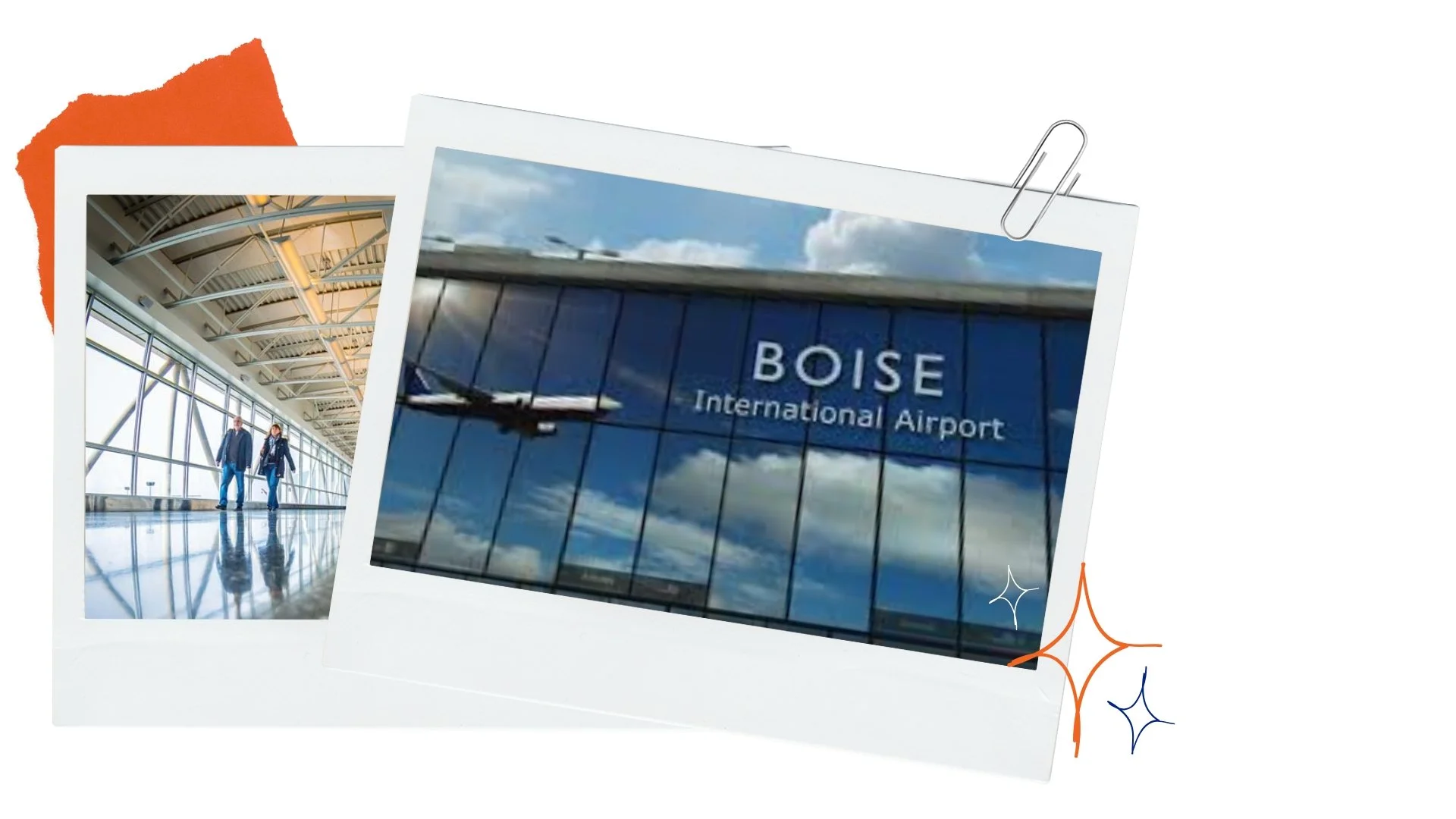
I reached out to the Boise, Idaho Airport to ask whether they had considered implementing the Hidden Disabilities Sunflower program. I spoke on the phone with two people and left messages for others. While my voicemails were never returned, the intention was there: to advocate, to ask questions, and to use my voice in the way #dedoc° has always encouraged me to.
At the time, I had no idea whether anything would come from those conversations. Like so much advocacy work, it felt small, uncertain, and easy to lose in the noise of everyday life. But one thing #dedoc° has taught me is that advocacy is rarely about instant results. Sometimes it is simply about planting seeds.
A Full Circle Moment
Over a year later, during a recent trip, I walked up to the airport doors and stopped in my tracks.
"There it was."
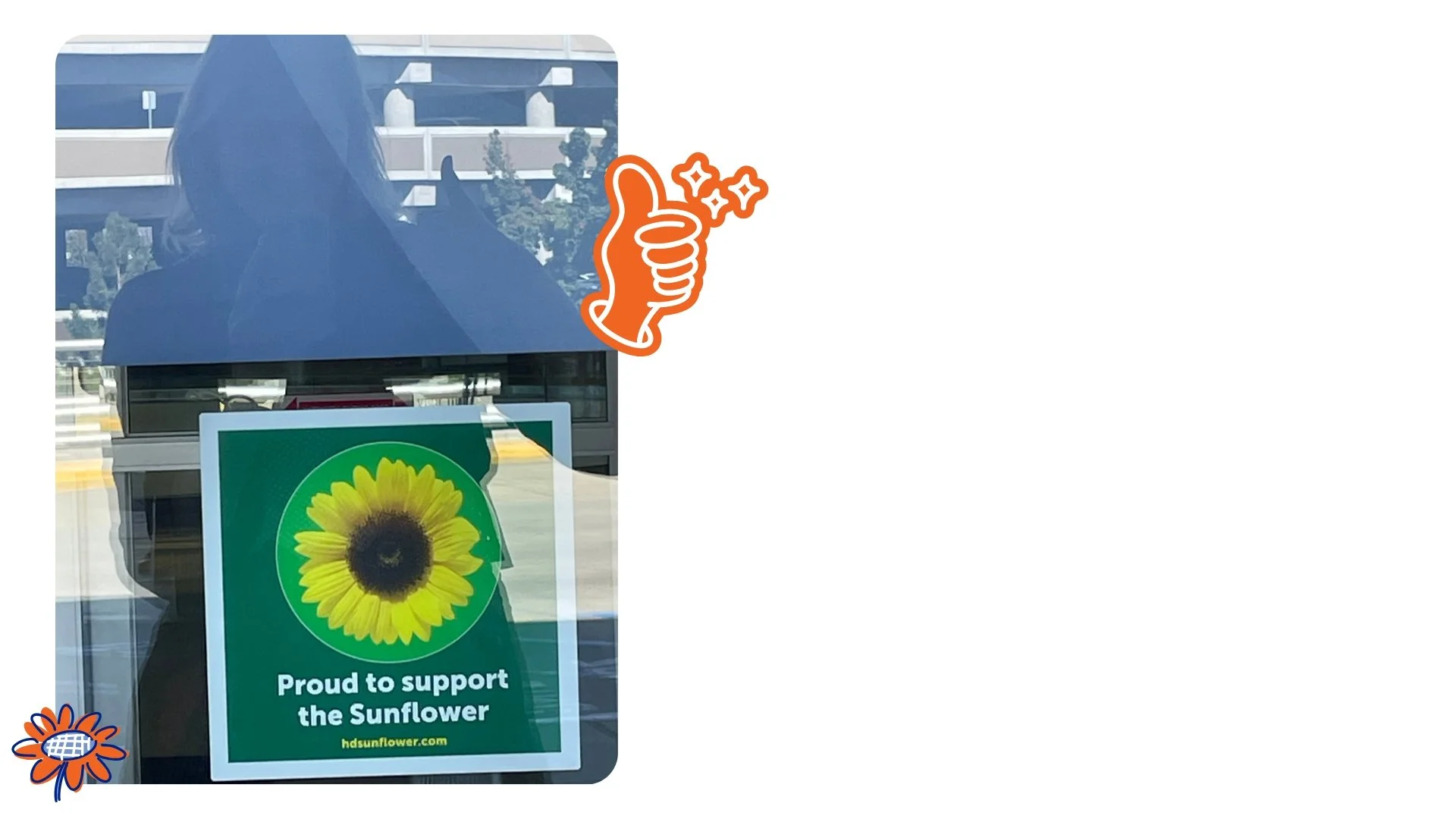
The Hidden Disabilities Sunflower program, now visible at the Boise Airport.
I was thrilled. I immediately took a picture. I thanked the TSA agents nearby, and shared how grateful and excited I was to see the program in place and how meaningful this kind of visibility can be for people living with hidden disabilities!
One response especially stood out. An agent kindly told me they were glad I was grateful, but also admitted that they didn’t actually know what the program was about.
The Work Continues
And that’s when it clicked again.
This work is important, and it’s never done.
Programs like this matter deeply, but they only reach their full potential when the people implementing them feel informed, empowered, and supported as partners in the process. Creating visibility is one step and building understanding is another, because a symbol alone cannot create inclusion; people do.
So the work continues.
I’m now following up to request a meeting and explore if I can help support further awareness and intentional training and awareness around the Sunflower program, so it becomes not just a symbol of comfort, but a lived, supportive experience for people with hidden disabilities.
The Spirit of #PayItForward
Whether or not my outreach was the catalyst for this change, #dedoc° has taught me something I carry daily: a voice is always worth using.
Even when the impact is shared.
Even when the results aren’t immediate.
Even when the next step becomes clear only after the first one is taken.
That is the spirit of #PayItForward.
Advocacy does not end when a conference closes. It continues in airports, follow-up emails, community conversations, policy discussions, small acts of courage, and quiet moments when someone decides to speak up because they now believe their voice matters.
I’m deeply grateful to #dedoc° for trusting me, supporting me, and reminding me that lived experience belongs everywhere decisions are being made.
Our work continues, and I’m honored to be part of it. 💛🌻
Would you like to learn more about the Hidden Disabilities Sunflower program and the Sunflower Lanyard? You can explore the official initiative and its work around the world here: Hidden Disabilities Sunflower Program