#PayItForward-Building Diabetes Advocacy from the Ground Up
Finding My Place in the Diabetes Conversation
When I joined the #dedoc° voices network, I had no idea how profoundly it would shape my journey as a diabetes advocate. I wanted to learn and grow, and I wanted to find my place in the broader diabetes conversation. What I didn’t expect was how much it would expand my confidence, my reach, and my sense of responsibility.
Being part of #dedoc° voices connected me to a global community of people living with diabetes, healthcare professionals, researchers, and advocates who believe that lived experience belongs at every table where decisions are made. It shifted something in me. I stopped seeing my story as “just my story” and started understanding it as expertise, supporting the principle of #NothingAboutUsWithoutUs
From Scholarships to Global Platforms
One of the most powerful opportunities the network gave me was exposure. Through the #dedoc° scholarship programme, I virtually attended ATTD in 2024. That was followed by an in-person scholarship to attend ISPAD 2024 in Portugal. In 2025, I also received an in-person scholarship to attend the IDF World Diabetes Congress in Thailand, where I had the honour of presenting at the #dedoc° Symposium, under the tile “What we wish you knew, and why”.
In March 2026, I received a #dedoc° travel grant to attend the inaugural Global Summit to #EndDiabetesStigma in India. Three of my abstracts were selected and I also had the opportunity to present during the session “Harnessing the Power of Creative Arts for Advocacy.” Alongside this, I took part in the Summit’s talent show with my silly sock puppet Gluu, where a new world opened up for Gluu too.
These milestones are incredibly meaningful — not just personally, but because they represent South African lived experience on international platforms. Each conference deepened my understanding of the global diabetes landscape. I saw innovation. I heard research firsthand. I witnessed powerful patient-led initiatives from around the world. And every time I boarded a plane home, I asked myself: How do we bring this back to our communities? Because global exposure only matters if it translates into local impact.
Turning Learning into Local Action
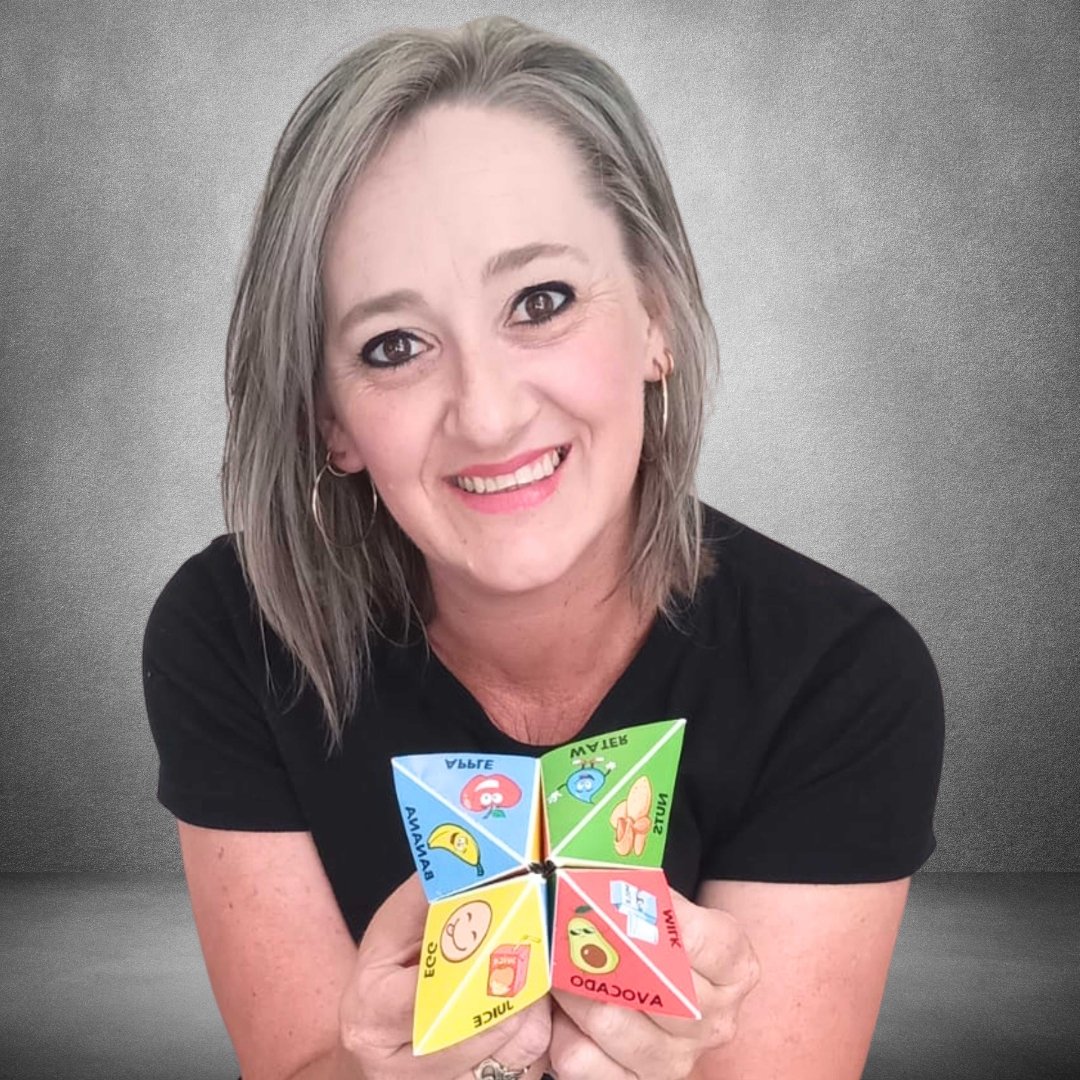
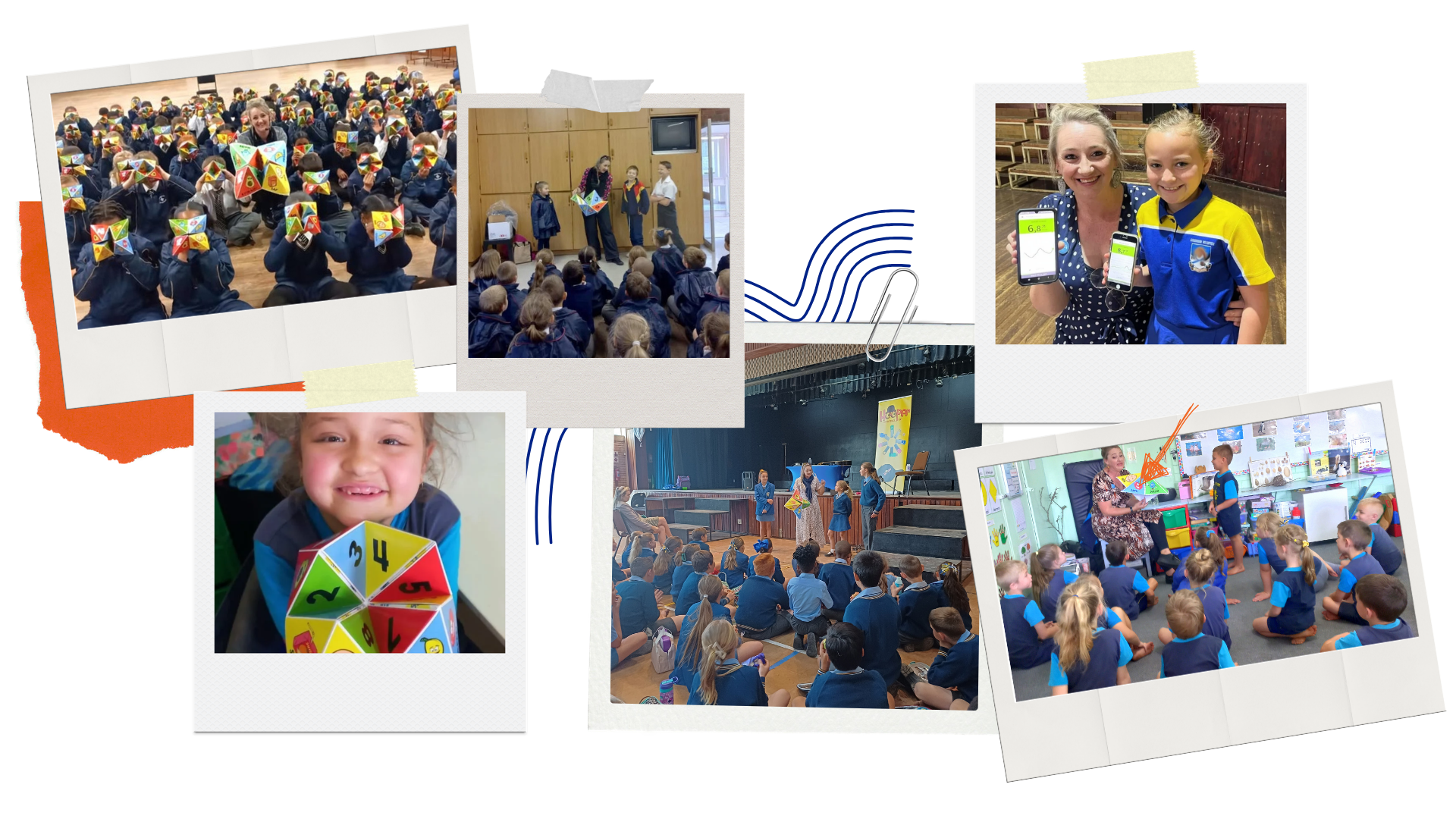
One of the ways I’ve applied what I’ve learned is through school-based diabetes awareness and education. Children are naturally curious, but they also absorb stigma quickly if we don’t guide the narrative. Using the age-old concept of a paper quacker game, I redesigned it as an interactive educational game that raises diabetes awareness in more fun and engaging ways.
Through this game, learners engage with real questions, bust myths, and learn what support and inclusion look like. It transforms what could be a purely clinical topic into something memorable and relatable. These sessions are about more than information. They are about normalising diabetes and shaping a generation that understands rather than judges.
Bringing Lived Experience into Healthcare Education
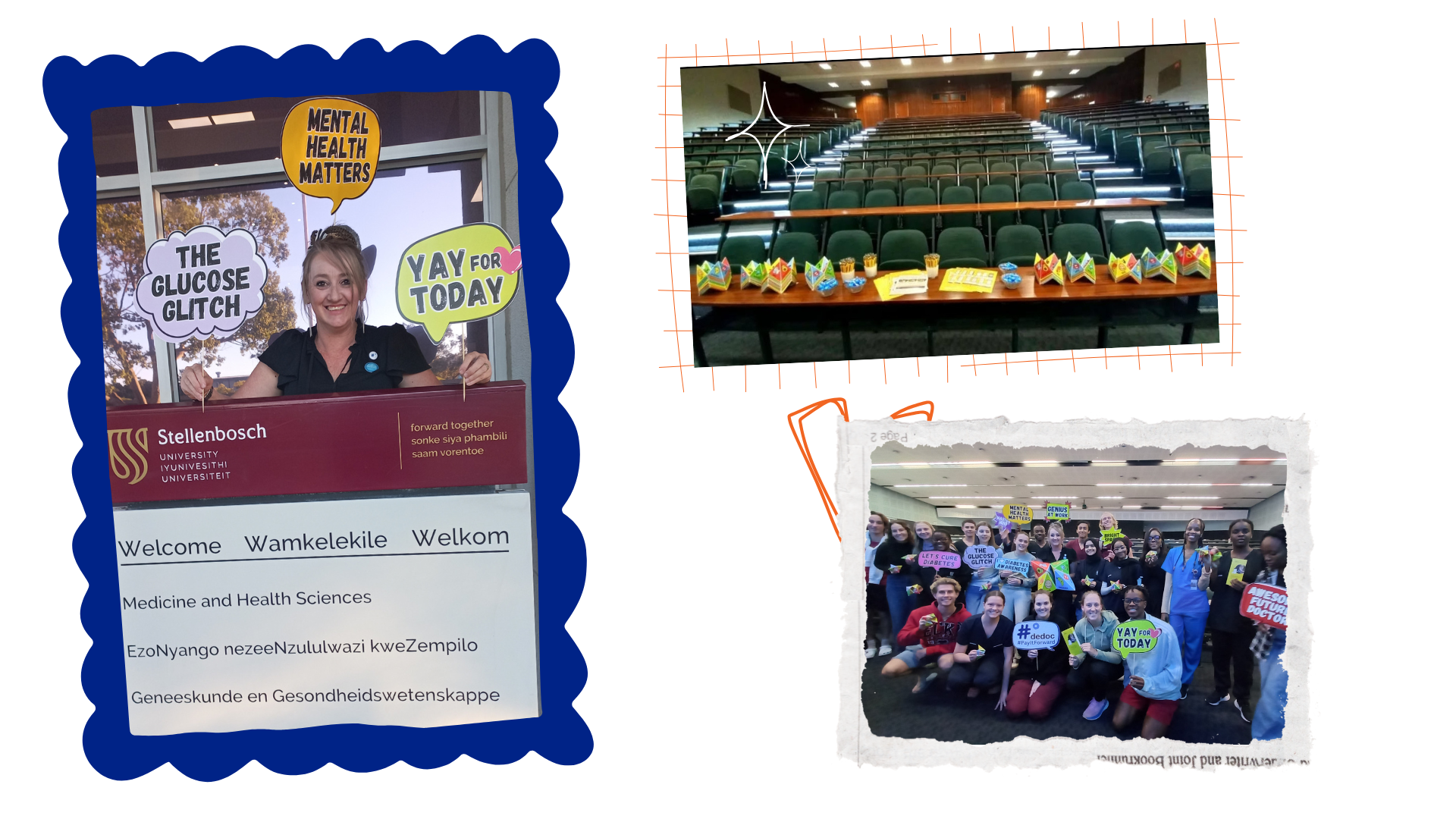
On behalf of Stellenbosch University, I lecture second-year medical students, helping future doctors better understand the human side of diabetes care. These conversations are honest. Sometimes uncomfortable. Often eye-opening. And always necessary.
I also facilitate educational sessions with healthcare professionals, sharing insights rooted in lived experience: the invisible decision-making, the emotional load, and the day-to-day realities that statistics alone cannot capture. When healthcare professionals understand the person behind the numbers, care changes. Alongside these sessions, I’ve also created a series called “Diabe-Tips: quick insights, better care.”.
A Toy, a Tool, and a Game-Changer
Over time, I realised the game is rather effective with audiences of all ages and across a variety of topics, so I designed various versions of it, which are now used with people of all ages, from eight to eighty.
I always say it’s a toy but it’s a tool, it’s a game but also a game-changer.
Building Community Awareness from the Ground Up
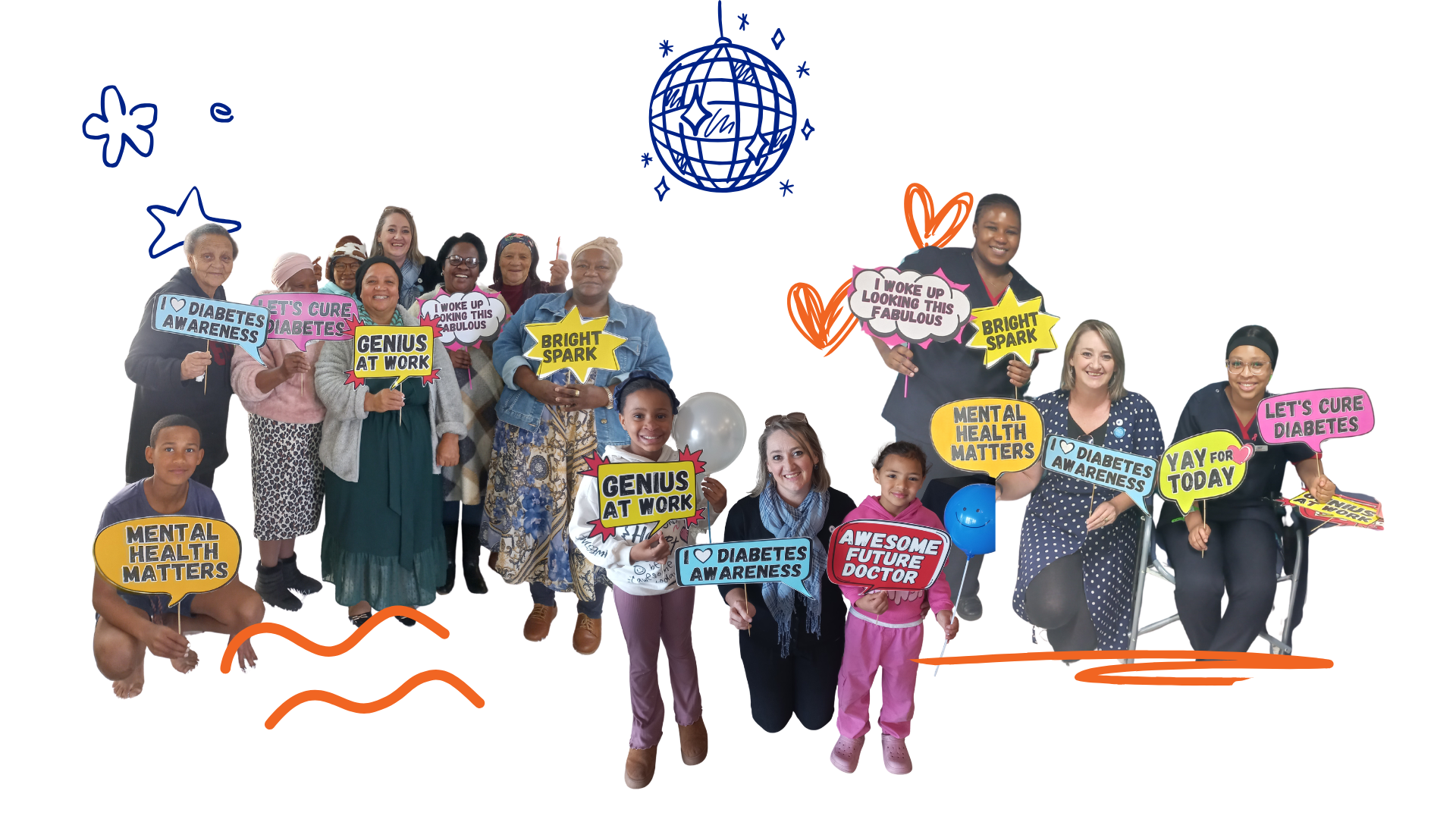
Locally, I’ve hosted a variety of diabetes awareness days in both urban and rural communities, ensuring access across different socio-economic settings. During one diabetes awareness event we hosted, we conducted 200 blood glucose and blood pressure checks in just five hours. Two hundred conversations. Two hundred opportunities for education, awareness, and potential early intervention.
That experience planted a bigger seed! After witnessing the need firsthand, we developed the idea of a regional diabetes awareness roadshow under the auspices of the Bergrivier Municipality. The initiative is planned to include visits to 10 towns in the initial rollout, followed by another eight towns thereafter. The vision is simple but powerful: bring screening, education, and conversation directly to communities; especially those with limited access to healthcare resources. Prevention, early detection, and stigma reduction should not be privileges.
Bringing Global Conversations Home
All the international exposure to conferences, scholarships, global collaborations, etc. sparked another idea. Why should we always travel abroad to access these conversations? Why not bring those elements home?
One of the core principles of #dedoc° is to #PayItForward and that has also become a core principle in the way we live and work. Each person attending a conference returns with something to put to good use: knowledge, experience, ideas or resources. And if everyone is open to #PayItForward, just imagine the remarkable impact we can have individually, but also as an entity.
The Pay It Forward Diabetes Conference
That’s how the Pay It Forward Diabetes Conference was born. We are currently organising this event to bring together healthcare professionals, people living with diabetes, researchers, and advocates in one shared space: locally grounded, globally informed.
The conference is planned to take place at the Protea Hotel, V&A Waterfront, Cape Town, South Africa. At the moment, it feels like a great tent being prepared: the poles are already in place and the canvas lies neatly stretched out on the ground. Once funding is secured, the poles can be lifted and the tent will rise, stretching wide beneath the sky.
What the #dedoc° Voices Gave Me
Being part of the #dedoc° voices didn’t make me louder. It made me clearer. It gave me tools. It gave me networks. It gave me courage. Most importantly, it helped me understand that advocacy is not only about standing on a stage, but it’s about standing in community. It’s about turning exposure into action, and taking what you learn globally and implementing it locally.
"And it’s about finding ways to #PayItForward."
Every school session.
Every lecture.
Every screening.
Every town visited.
Every conference attended.
They are all connected.
It’s heartwarming to know that I’m part of the change I wish to see for those touched by diabetes. And it all started by connecting with a global community that believes lived experience matters.
Thanks #dedoc° — you've changed my life forever.