What Jaipur taught me: Diabetes Should Not Be a Character Test
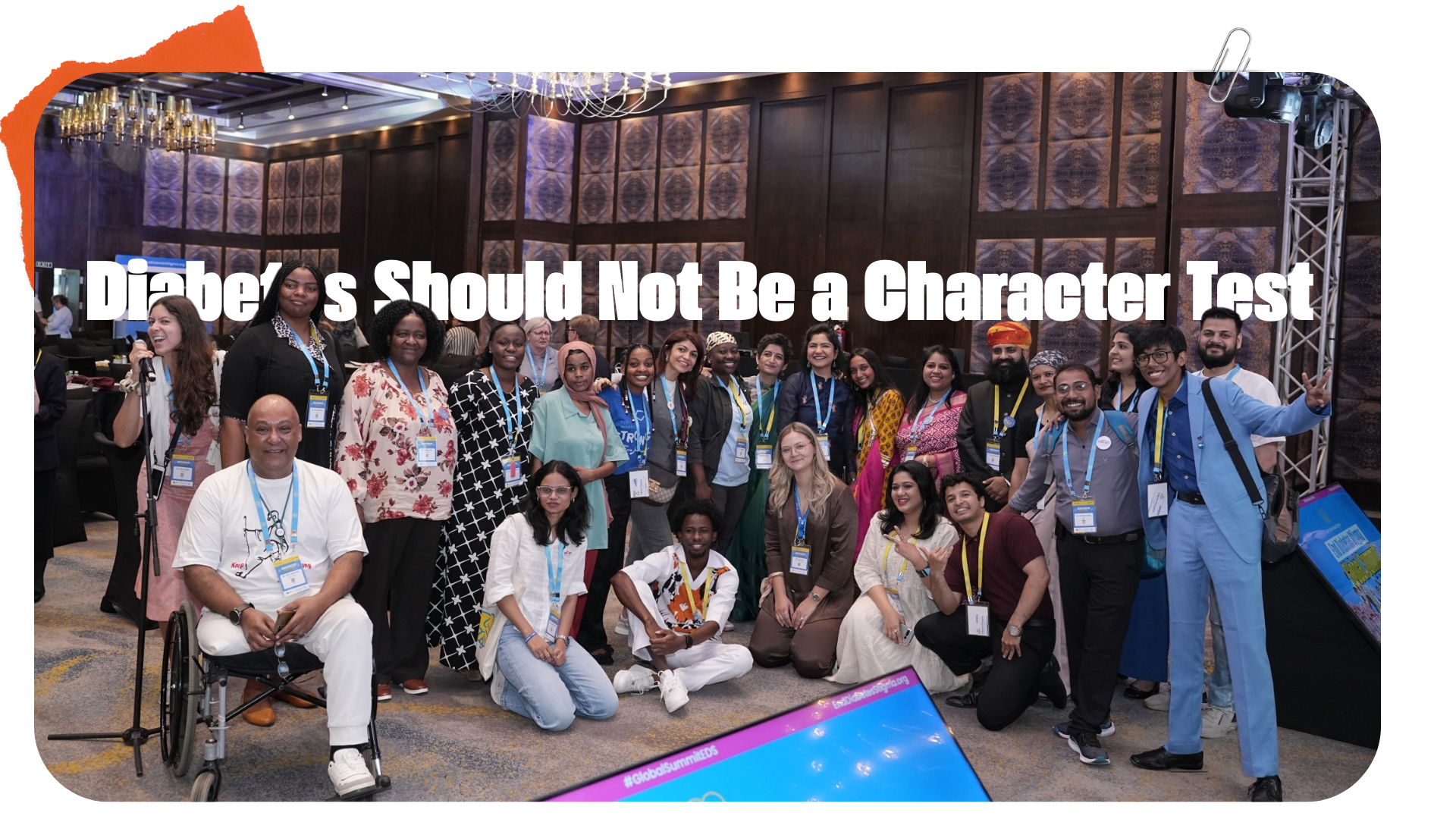
In late March 2026, I flew thirteen hours from Harare, Zimbabwe, to Jaipur, India. The purpose of the journey was simple: to attend the Global Summit to End Diabetes Stigma.
Stigma in diabetes refers to the judgement, shame and misunderstanding that people living with diabetes face due to outside perceptions.
I expected to spend two days networking with like-minded people living with all forms of diabetes and reflecting on the scourge of diabetes stigma.
"But I got much more than I had expected."
I felt acquitted from a sentence I had quietly carried for thirteen years.
Convicted Before I Understood
Since my diagnosis, I have been serving a sentence for a crime I never committed.
For thirteen years, I grappled with a grinding sense of failure that I had no words for. Feelings of guilt, shame, and a a quiet sense of self blame were the order of the day for me. From the doctor’s office to the workplace, from the community I live in, to the supposed sanctuary of my own home, the messages, the careless opinions and the looks all said the same thing. Through words, assumptions, and even silence, I kept hearing the same verdict: You failed.
My diabetes diagnosis came with a verdict before the prescriptions. The very first message that I received was that this was the result of a moral and not a medical test. The narrative that I had somehow brought it upon myself really sunk to the core of my being. Feelings of “could have done things differently” did not leave me, and I concluded that if I had eaten well, exercised better and tried harder, this would not have happened to me.
That belief stayed with me for years.
When Stigma Turns Inward
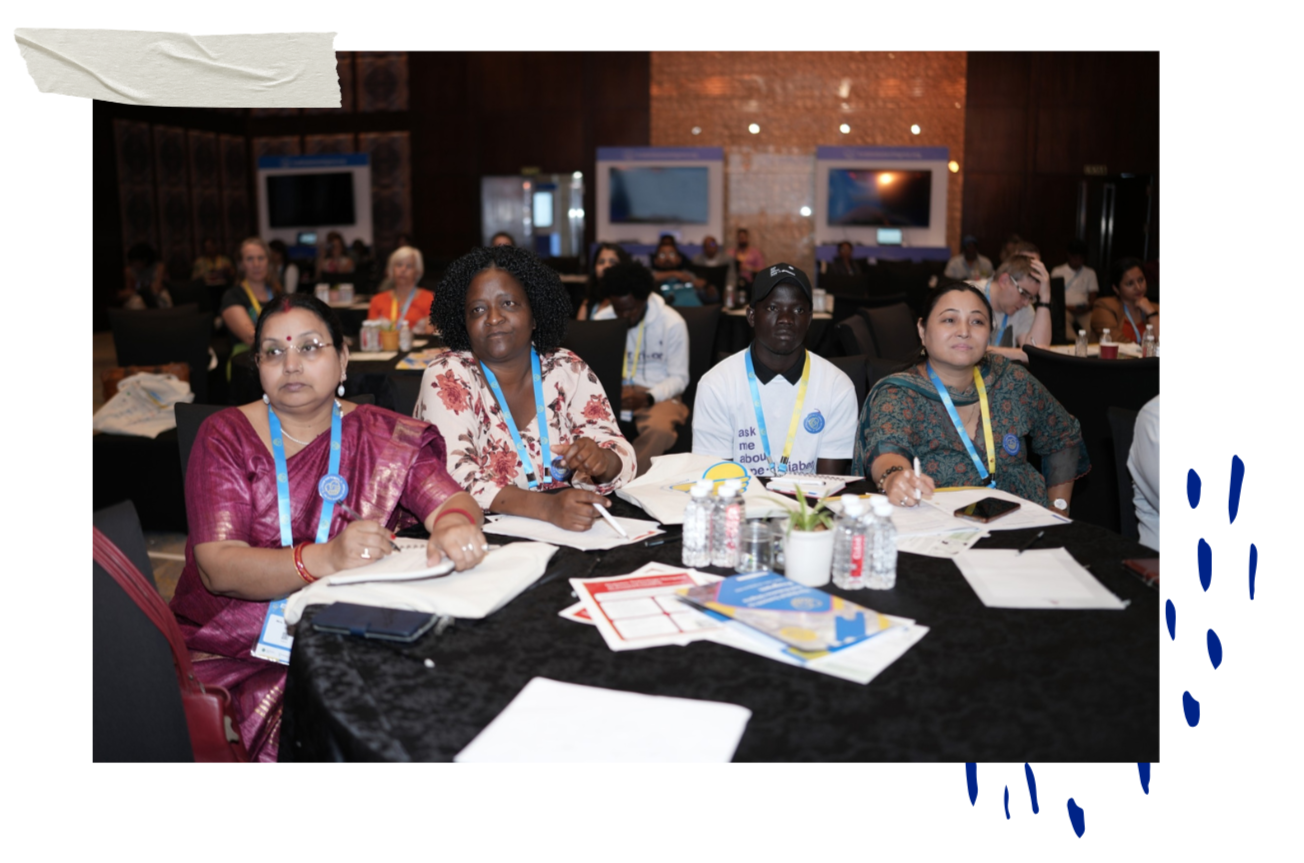
Attending the Global Summit to End Diabetes Stigma was a turning point for me. Although all the discussions and shared experiences hit home, it was the conversations around internalized stigma that really resonated.
Internalized stigma was the result of the feelings coming from this “lifestyle disease” diagnosis: that I am weak, lazy and not disciplined. The guilt stuck, and it became so easy to beat myself up for what I should have done or should not have done. Stigma quickly turned inward on me.
In addition to all of the ways in which I was already blaming myself for my diagnosis, the language I encountered in healthcare settings made me feel even more like a failure for having diabetes. Labels like “non-compliant” and “uncontrolled diabetes” suggested I was not trying hard enough. So, I eventually stopped going for regular check-ups. Now I only visit the clinic when complications force me there.
Stigma did not just hurt my feelings; it also affected my care and management of the condition.
Another heartbreaking moment was when I shared that I had started Zumba classes to support my health, and a friend replied, ‘Is it not too late?’
That single question reflected a common misconception: that once you have diabetes, any further effort is pointless, and the damage done is permanent. This kind of language discourages people with diabetes from taking positive steps to improve their health and reinforces hopelessness—as it did for me.
A Different Conversation
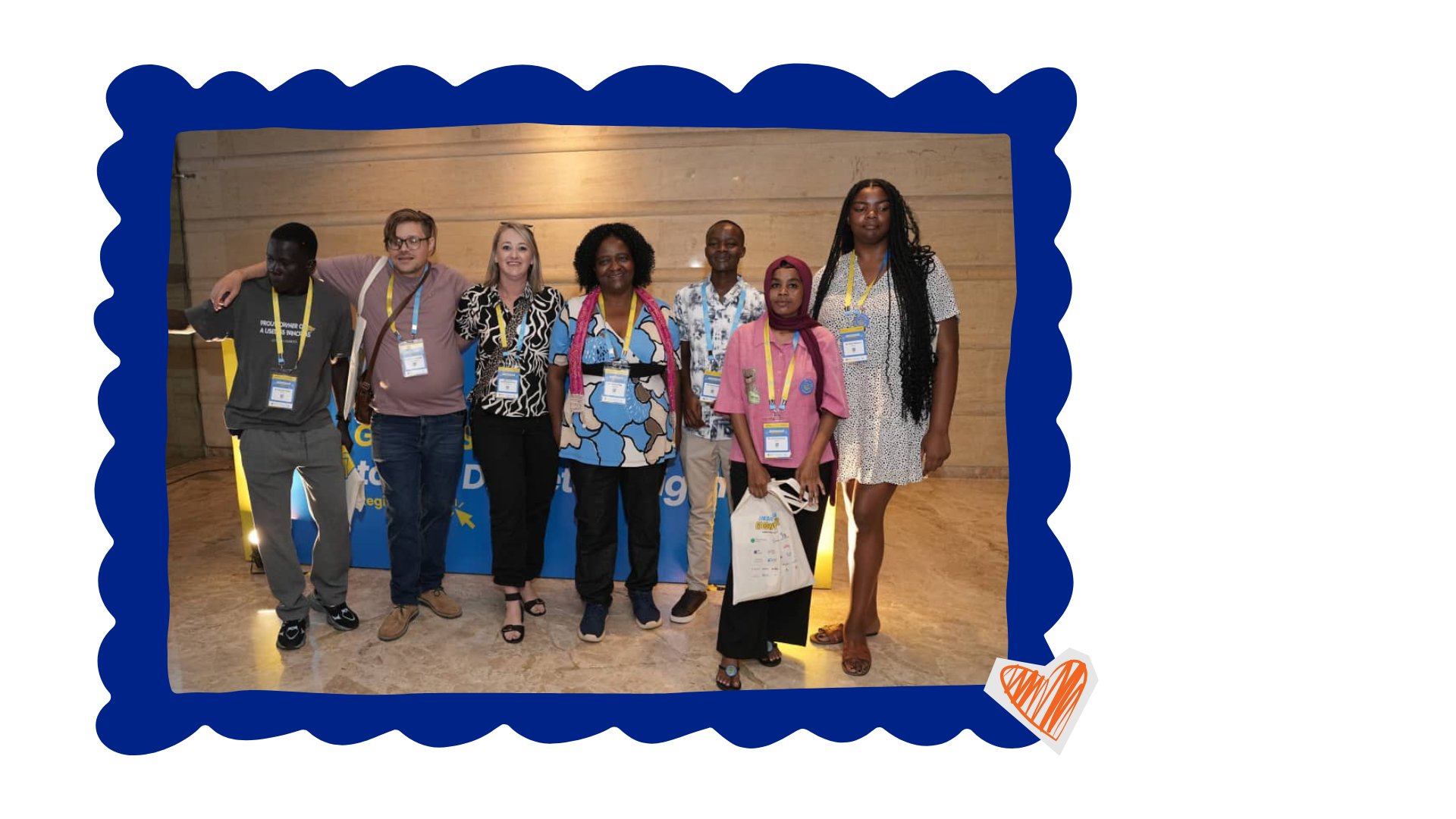
The Summit brought together over 200 people from more than 30 countries, and united voices from lived experience, advocacy, research, clinical practice and industry across diverse backgrounds, cultures and communities.
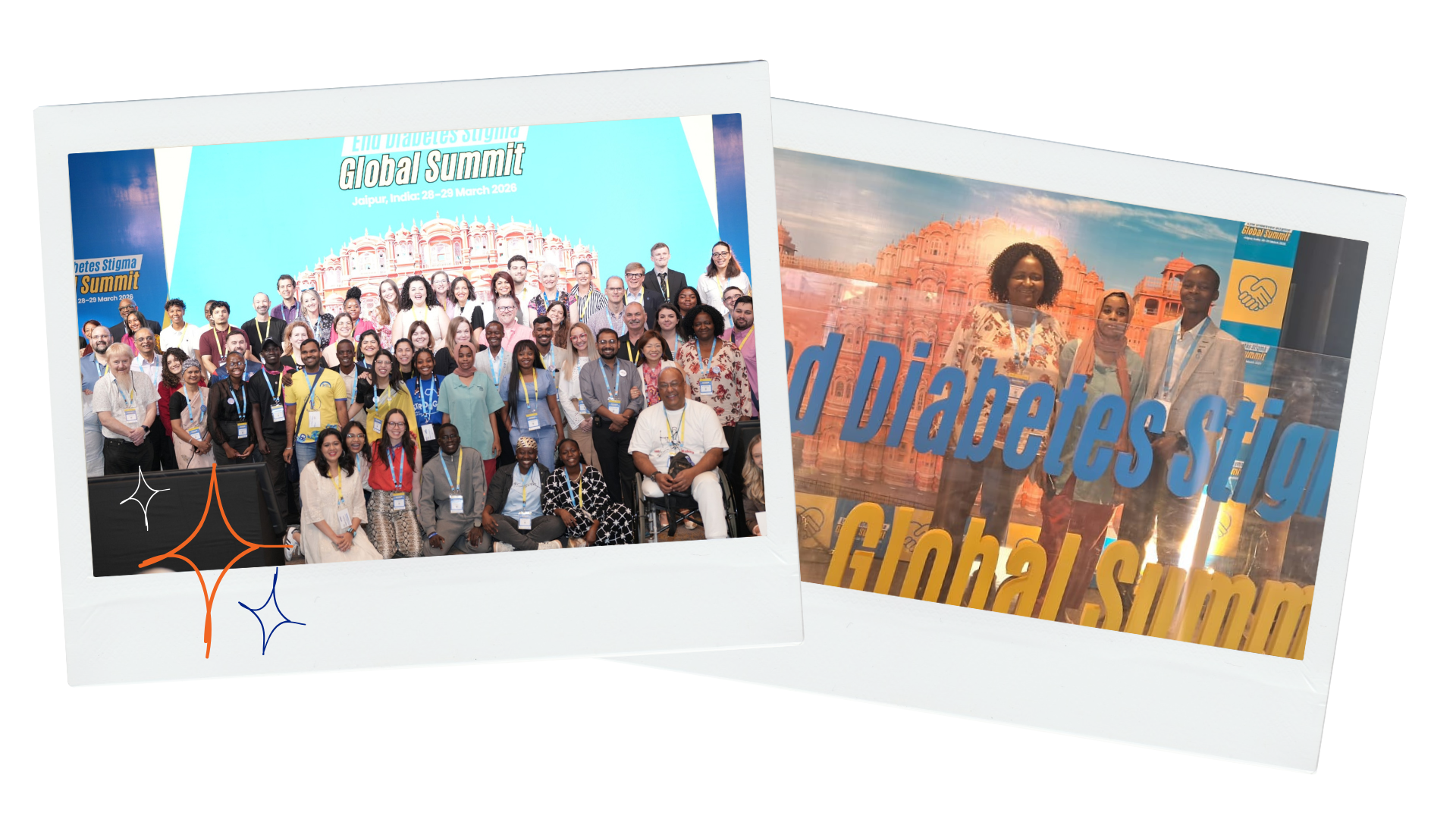
It was built on the momentum of a global movement and the 2023 launch of the Pledge to End Diabetes Stigma, which united more than 4,500 individuals and hundreds of organizations across 119 countries.
The event prioritized lived experience, ensuring that it does not only have a seat at the table but also plays a leadership role in shaping the agenda and outcomes. More than half the participants were people living with all types of diabetes and representatives from diabetes organizations. The Summit featured expert speakers spanning lived experience, advocacy, clinical practice, research and policy. The programme also drew over 150 abstracts, including lived-experience contributions centred on storytelling, research, impact pieces, and perspectives on future actions.
Somewhere in those two days, something broke open in me.
For the first time, I felt the relief of being understood without having to explain myself. I realized that the fight against diabetes stigma is not mine alone, but a collective battle with many people choosing to speak up against it.
Above all, it felt like I had permission to hope again, and believe that change is possible.
Diabetes Is Not a Character Test
After two days of deliberations and sharing of experiences in Jaipur, I realised that the story I had believed for thirteen years was not only harmful, but also untrue.
In Jaipur I learnt that diabetes is not only about life choices. The condition is also about genetics, the environment, stress, issues of access to health care, poverty, trauma, inadequate sleep, pollution, age, and many other variables that determine a person’s risk.
Even though striving for healthy lifestyles matters, it is not the whole story for people living with diabetes.
There are people who have done everything right but still developed type 2 diabetes. Sometimes, there are factors beyond one’s control that result in a diagnosis. Poverty is not a character flaw, especially where people cannot afford to consistently maintain recommended healthy foods. Neither is genetics a choice!
Risk factors should never be treated as moral benchmarks.
From Blame to Hope
The Summit showed how stigma can undermine confidence, silence people’s voices, and limit people’s access to quality care. However, a key truth that emerged from it is that many drivers of diabetes stigma can be changed by replacing blame with science, silence with voices of lived experience, and labels with dignity. Meaningful change is not just necessary, it is possible, and it starts with us.
I am still digesting and unpacking all the lessons I got from the Summit, but one thing is as clear as day now: sharing my story feels like a crucial part of breaking the cycle of stigma.
Diabetes management should never feel like punishment – people who have been diagnosed with diabetes do not need to atone for past behaviours or earn their way back to being a “good person.”
Let us shift the focus from blame and shame to concentrate on better management and support.
Support groups, counselling, and being part of positive communities are all crucial. People with diabetes need to know that they did not fail, and that there are people, resources, and support out there.
It is not people living with diabetes who have failed.
"It is the system, the stigma, and the silence that have failed us."
Stigma is heavy, and no one should have to carry it alone. Now it’s on us to make sure no one carries that weight alone.