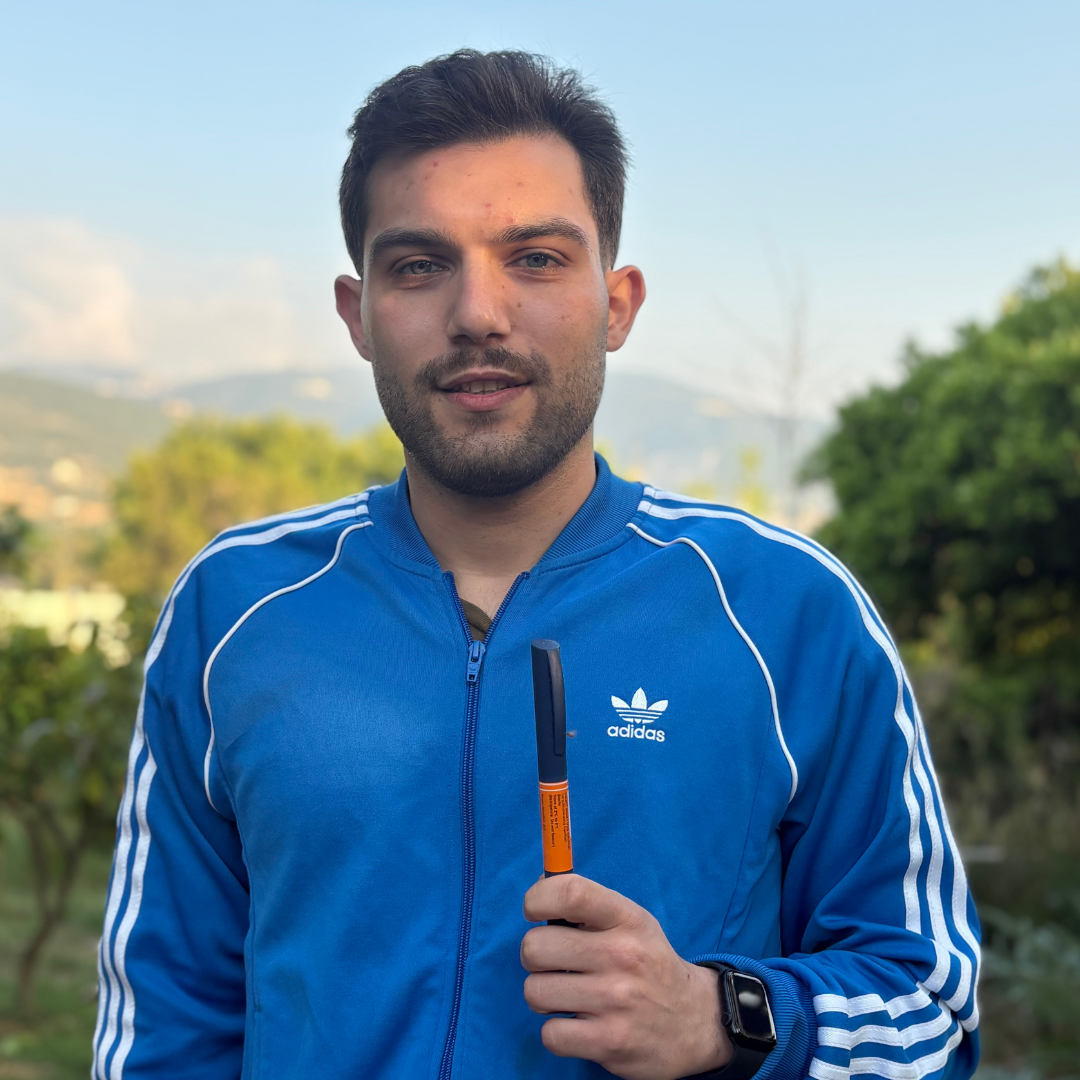
From Lebanon to Montreal: My Lived-Experience Journey at ISPAD 2025
Where my Advocacy Journey Began
My name is Pedro Al Derjani, and I have been living with type 1 diabetes since 2016. 2026 marks my 10th year with T1D, a journey that began in Lebanon, a country where living with diabetes, especially as a young person, comes with challenges, stigma, and misunderstanding.
I was first introduced to DiaLeb by my endocrinologist, and I quickly became involved as an activist. Over the years, my advocacy led me to be named Lebanon’s Young Leader in Diabetes (YLD) for the 2025–2027 cohort, representing my beloved organization, Dialeb.
This role gave me the opportunity to attend my first international diabetes conference, the International Diabetes Federation Congress in Bangkok in April 2025, representing both Lebanon and DiaLeb.
One of the most inspiring moments during the YLD training was meeting Bastian Hauck, the founder of #dedoc°. He shared that he studied political science and Middle Eastern relations in Lebanon, the same background as me. When I asked him how politics could connect to diabetes, he said:
"We’re trained to understand systems, power structures, and how decisions are shaped. Diabetes advocacy is deeply political: access to insulin, reimbursement, stigma, funding for research… all of it depends on policy."
His words gave me a new perspective on my advocacy, showing me how my education and passion for diabetes could intersect in meaningful ways.
Inspired by that conversation, I applied to become a #dedoc° Voice and for the opportunity to attend the ISPAD 2025 Annual Conference in Montreal. On Friday, July 18, I received an email that made a dream come true: “Dear #dedoc° voices, We are pleased to inform you that you have been selected for an in-person scholarship to ISPAD 2025 in Montreal, Canada, from November 5–8.”
That moment marked the beginning of a journey that would connect my advocacy, education, and international opportunities in ways I had only imagined.
Seeing the Bigger Picture
Attending ISPAD 2025 in Montreal as a #dedoc° Voice was nothing short of transformative. From the moment I stepped into the conference, I could feel the energy of thousands of people coming together from around the world, all passionate about improving the lives of people with diabetes.
For me, this experience was particularly meaningful because it combined two of my greatest passions: advocacy and lived experience. As someone who has been living with type 1 diabetes for almost a decade, attending sessions and workshops at an international level allowed me to see the bigger picture of diabetes care beyond my daily reality in Lebanon, and to understand how collective action can lead to meaningful change.
Starting with Community
The conference kicked off with the W!ld Breakfast, a vibrant session that combined a hot breakfast with hot topics. It was the perfect way to start the day: engaging, interactive, and filled with discussions about current challenges in diabetes care and advocacy.
The session emphasized the importance of community and collaboration, reminding everyone that creating change requires both knowledge and action. It was inspiring to be surrounded by people from all corners of the world who shared similar passions and goals.
Putting Lived Experience at the Center
The lived experience sessions with our colleagues were another cornerstone of the conference. These sessions highlighted how personal experiences of diabetes can shape research, influence policies, and ultimately improve care for everyone.
Listening to real stories from people living with diabetes across different countries reinforced something fundamental: our experiences are valuable contributions to the field.
I particularly appreciated discussions on person-centric insights in research, which focus on ensuring that studies and interventions prioritize the needs, perspectives, and daily realities of people with diabetes. It made me reflect on how advocacy is not just about awareness, but about ensuring research and healthcare systems are designed around the people they are intended to serve.
Learning from Advocates Around the World
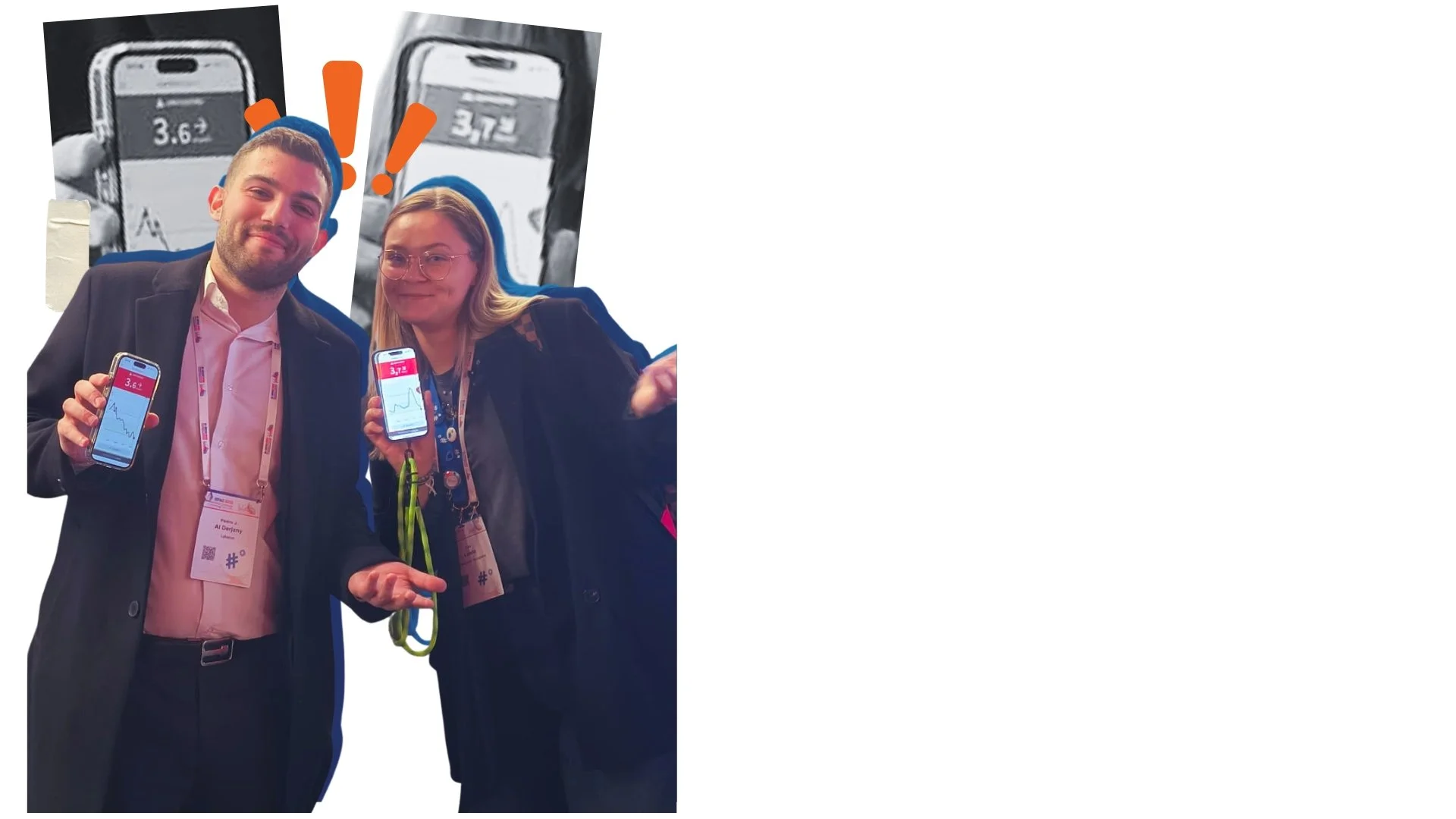
I also had the opportunity to attend several advocacy-focused sessions and connect with advocates from other countries.
Engaging with them showed me how challenges and successes in diabetes advocacy vary across contexts, and how much we can learn from one another. From sharing strategies to discussing solutions for insulin access and addressing stigma, these sessions underscored both the global nature of diabetes advocacy and the power of international collaboration.
Finding Our Voice at the #dedocº Symposium
One of the highlights of my time at ISPAD was participating in the #dedoc° symposium and the workshop.
These sessions were designed to bring together advocates and people living with diabetes to discuss how lived experience can influence research, policy, and care. During the symposium, we explored strategies to elevate the voices of people with diabetes in decision-making processes, emphasizing the importance of person-centered advocacy.
The workshop was equally impactful, providing a hands-on, interactive space where we could brainstorm, share ideas, and learn practical approaches to advocacy.
"It was a reminder that being a voice for change is not just about speaking up. It’s about creating systems and structures that allow those voices to be heard consistently and meaningfully."
From Online Connections to Real-Life Community
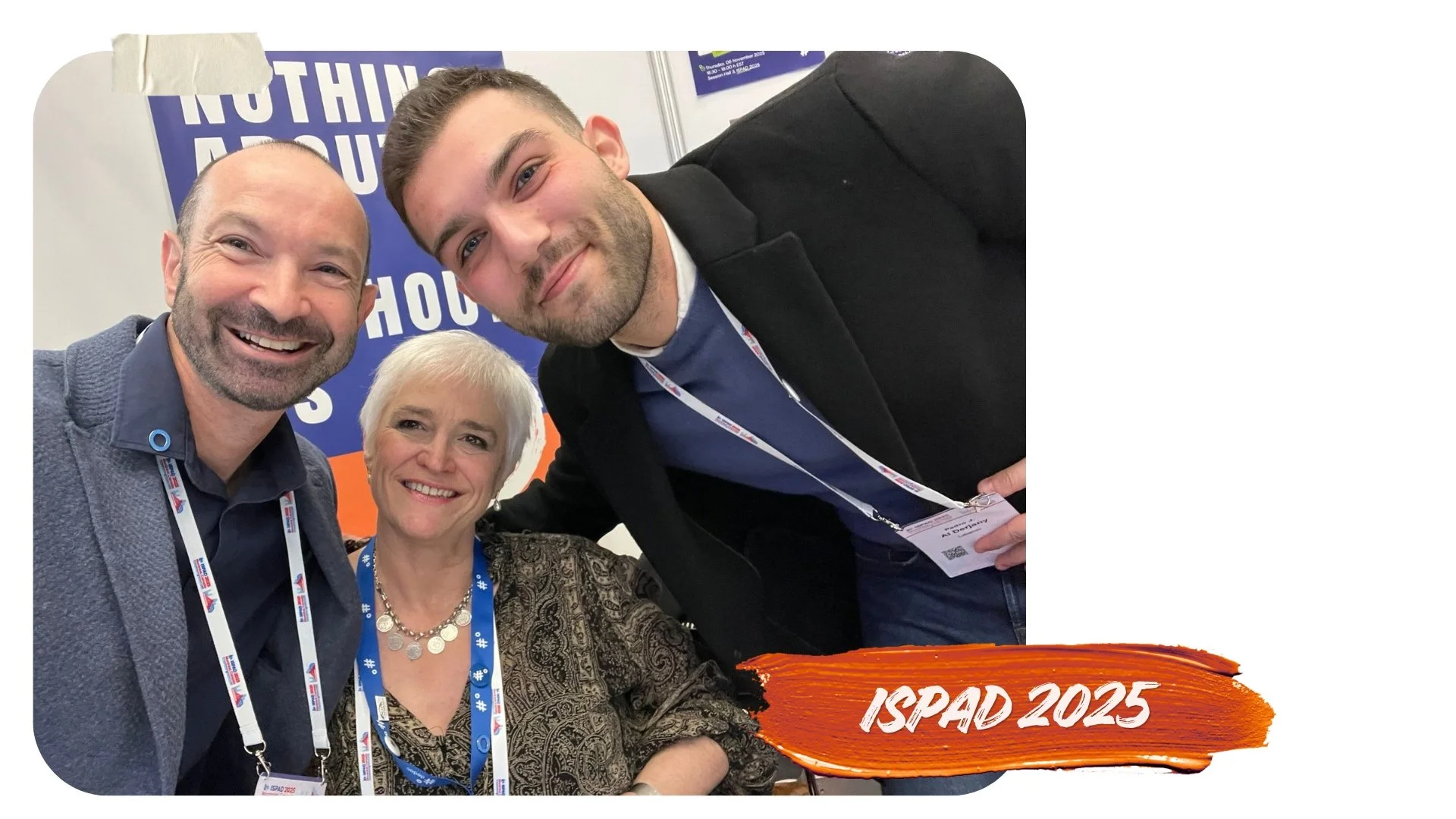
Beyond the formal sessions, one of the most rewarding aspects of ISPAD 2025 was the personal connections.
Many of the people I usually interact with only on social media were present, and meeting them face-to-face was incredibly meaningful. Putting faces to names, exchanging stories, and sharing experiences in person created a sense of community and belonging that can’t be replicated online.
It reminded me that behind every handle or profile is a passionate individual striving to make a difference, and that together, we can amplify our impact.
Taking Montreal Back Home
Reflecting on my time at ISPAD, I realize that attending this conference as a #dedoc° Voice was more than just an educational experience. It was a reaffirmation of the importance of advocacy, lived experience, and global collaboration.
It showed me that diabetes advocacy is deeply political and systemic, just as Bastian Hauck had told me during the YLD trainings: access to insulin, funding for research, stigma reduction, and healthcare policies are all influenced by decisions shaped at multiple levels. Being in Montreal allowed me to see these systems in action, and to learn how I can contribute to them effectively from my own position in Lebanon.
This experience has inspired me to continue building bridges between policy, advocacy, and lived experience, helping ensure that the voices of people living with diabetes are not just heard, but actively shape the future of diabetes care and research.
ISPAD 2025 was not just a conference. It was a community, a source of knowledge, and a call to action.
I left Montreal motivated, connected, and ready to continue my advocacy journey, carrying the lessons, stories, and experiences I’ve gained back home and beyond.
Above all, I carry forward the principle that guides our community and reminds us why our voices matter: Nothing About Us Without Us.